Hansen's Northwest Native Plant Database


Asarum caudatum (Wild Ginger, British Columbia Wild Ginger, Western Wild Ginger, Long-Tailed Wild Ginger)


Kingdom

 Plantae – Plants

Subkingdom

 Tracheobionta – Vascular plants

Superdivision

 Spermatophyta – Seed plants

Division

 Magnoliophyta – Flowering plants

Class

 Magnoliopsida – Dicotyledons

Subclass

 Magnoliidae

Order

 Aristolochiales

Family

 Aristolochiaceae – Birthwort family

Genus

 Asarum L. – wildginger

Species

 Asarum caudatum Lindl. – British Columbia wildginger

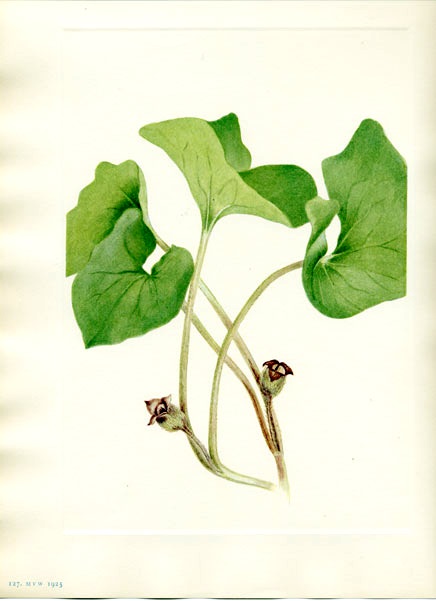
Note: Throughout the years I've written short articles for our website's home pages (home pages are the front page of a website) about these plants. They are now included at the bottom of this page, and are illustrated by botanical drawings and paintings, some of which are from books published from 1500 - 1900.

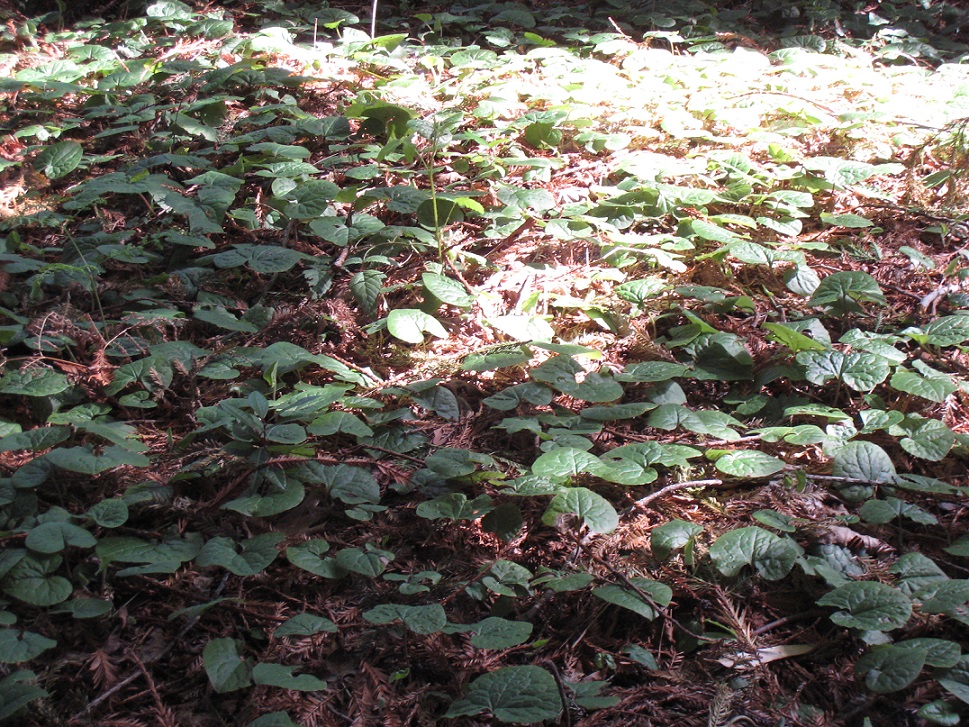
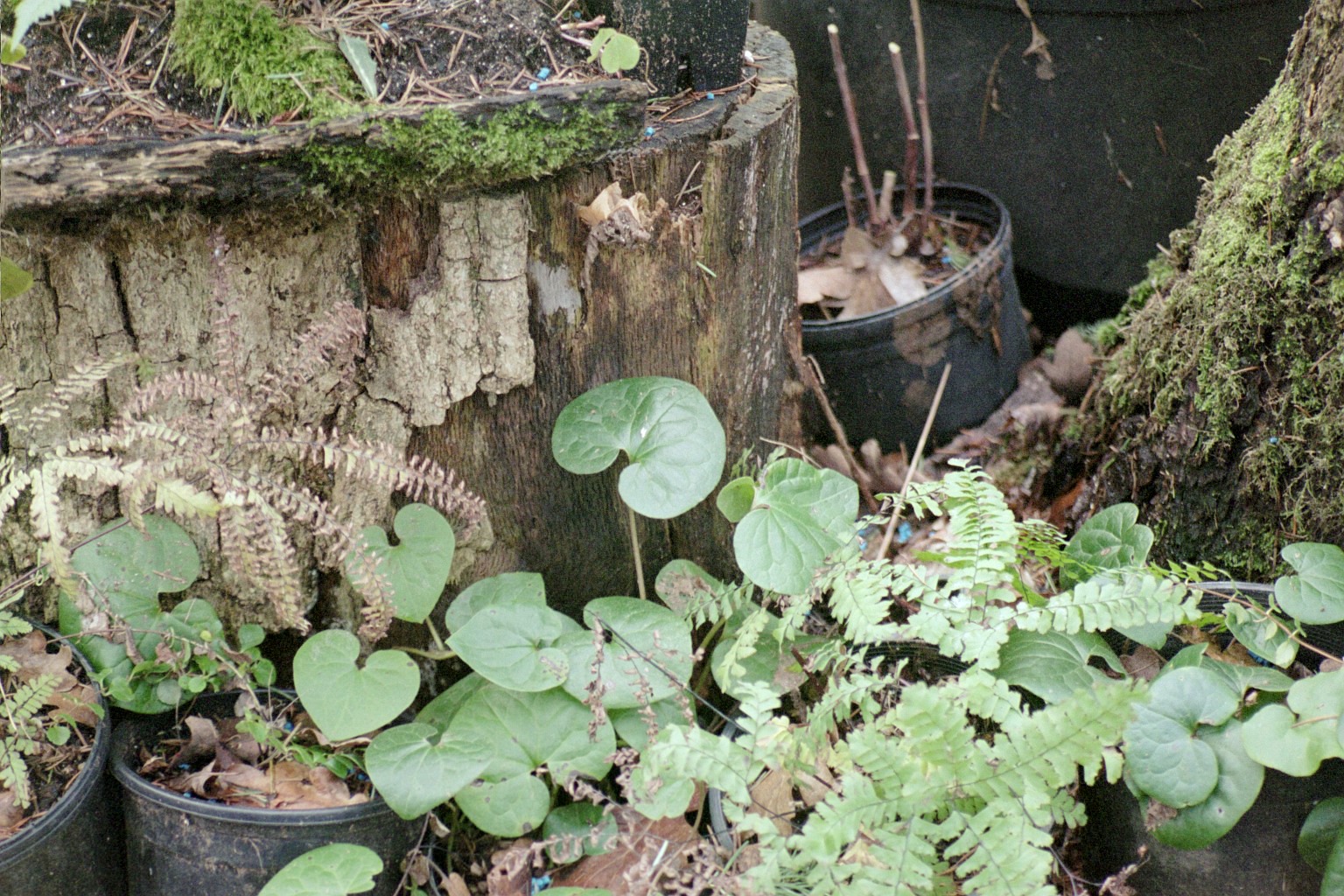
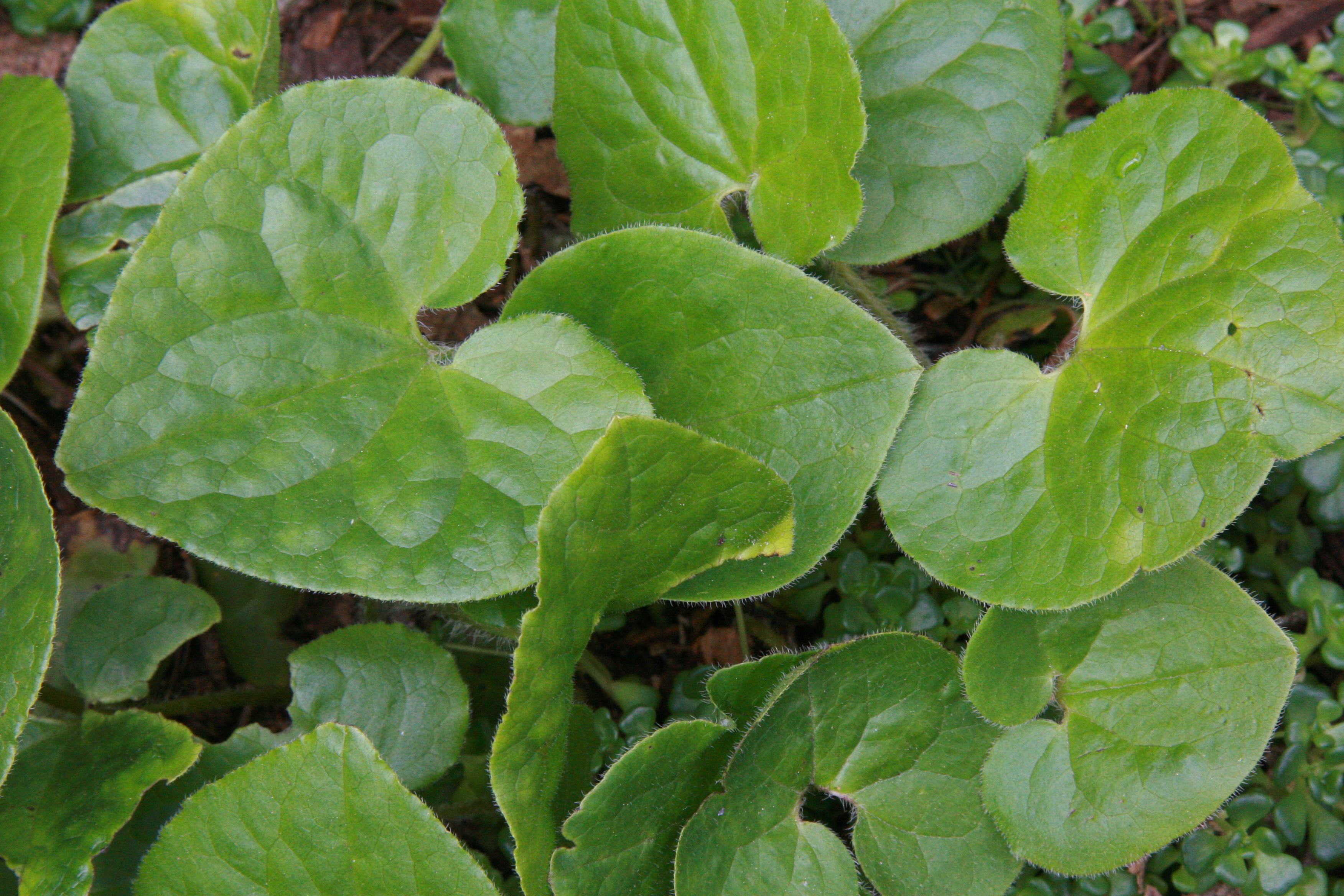
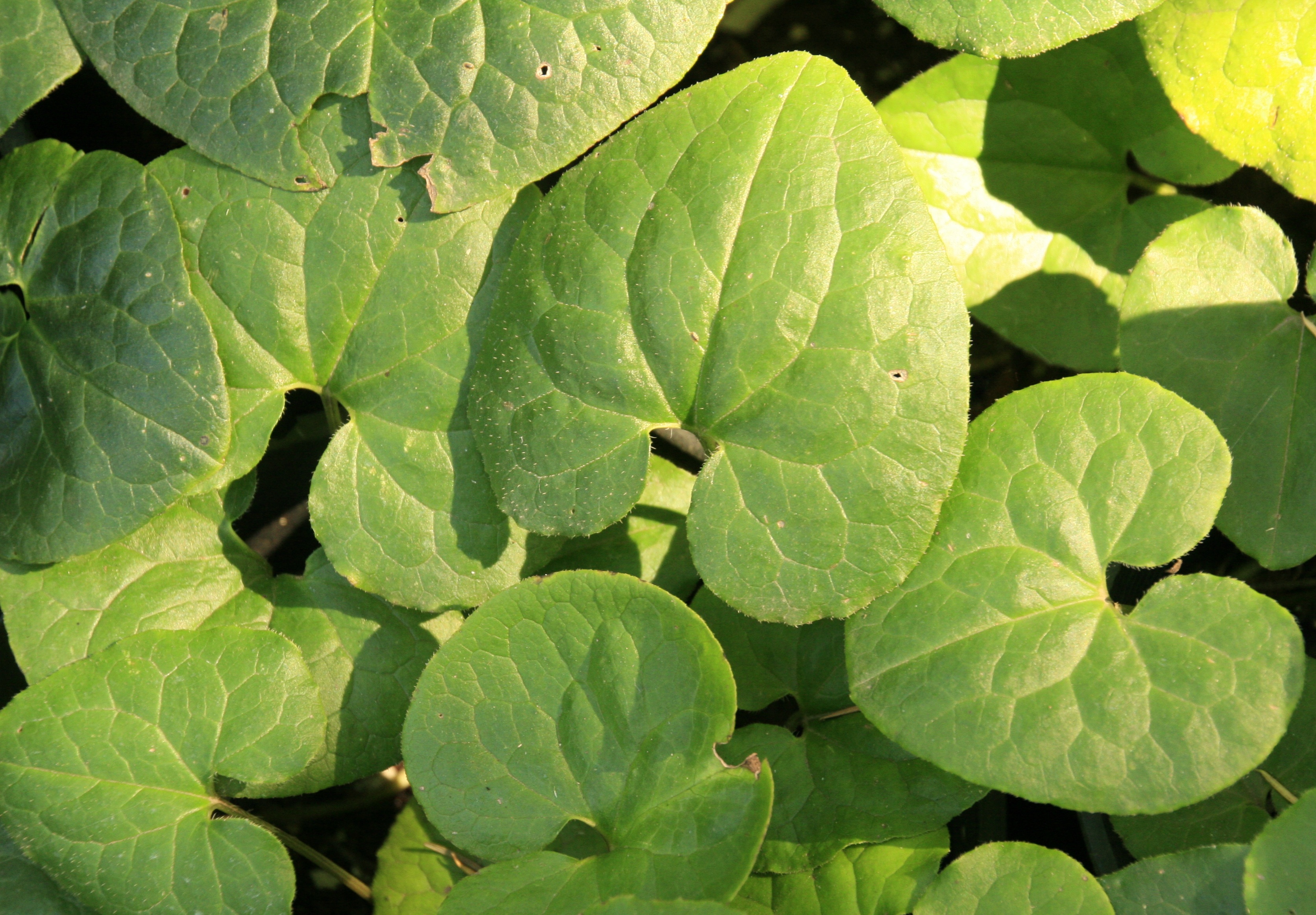
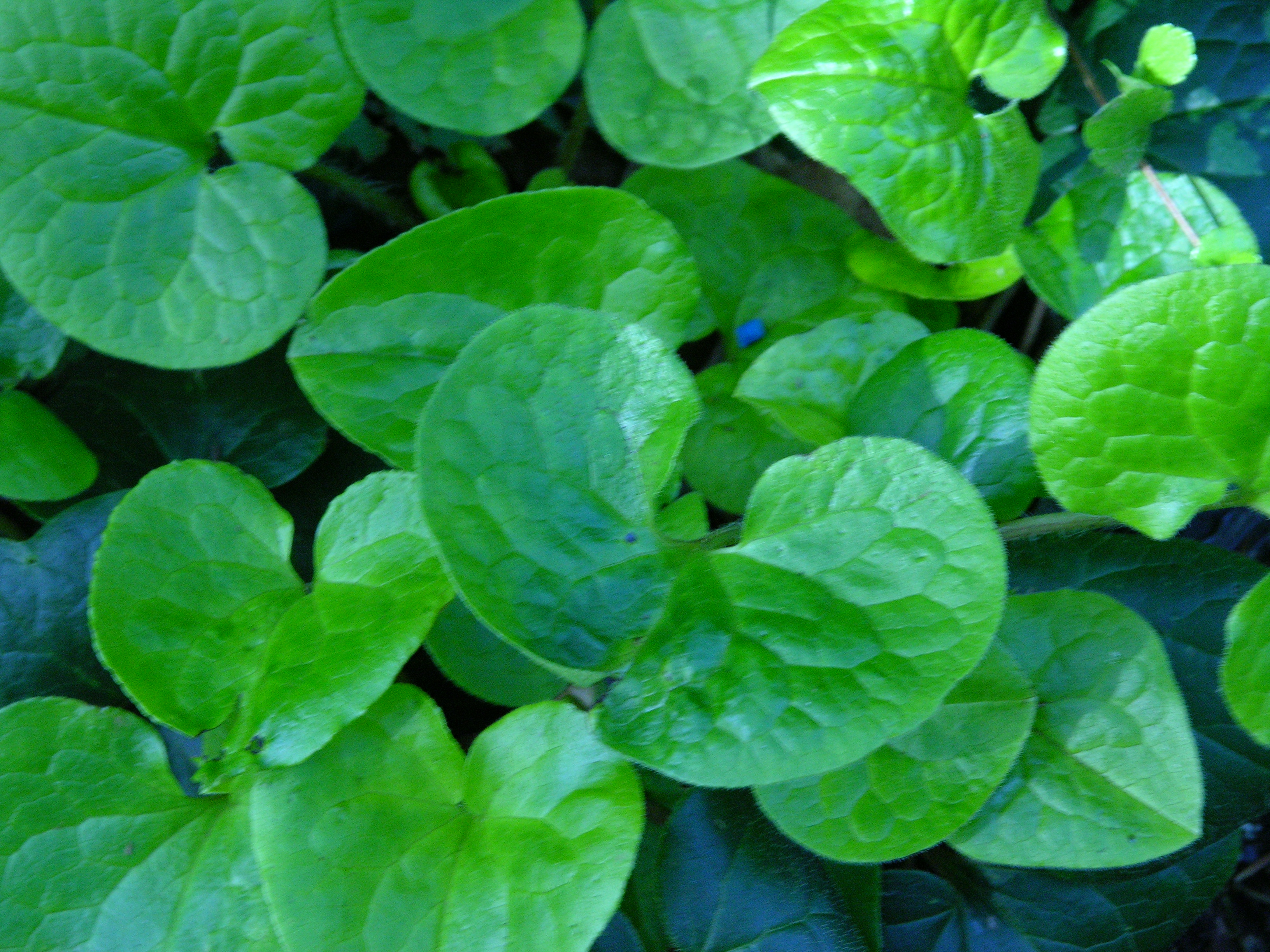
Wild Ginger is one of the finest native ground covers.

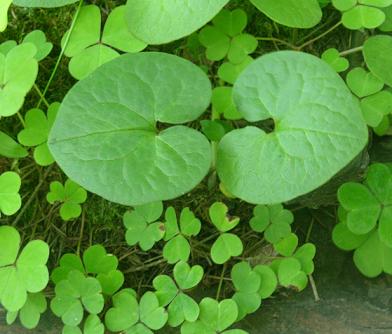
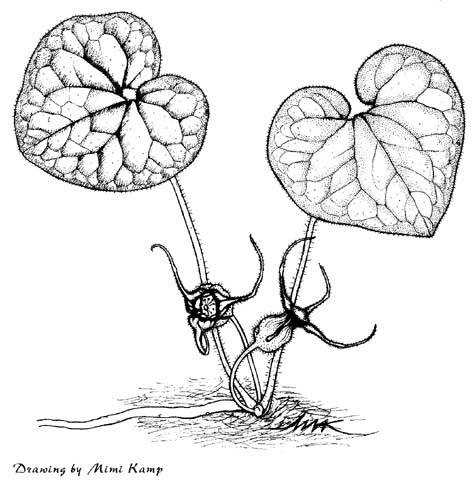
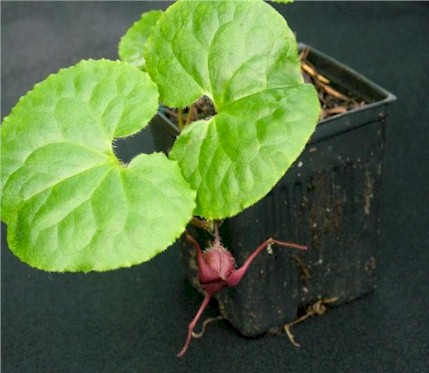
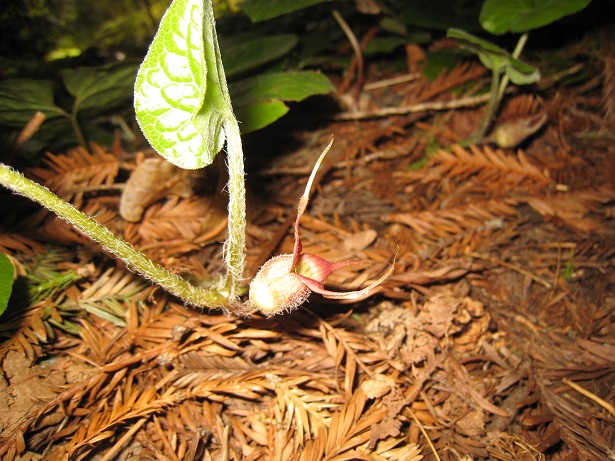
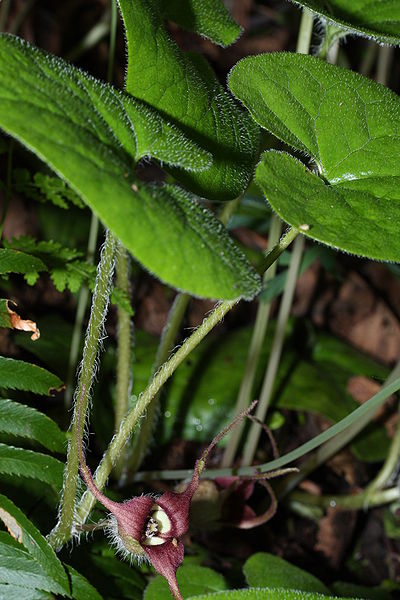
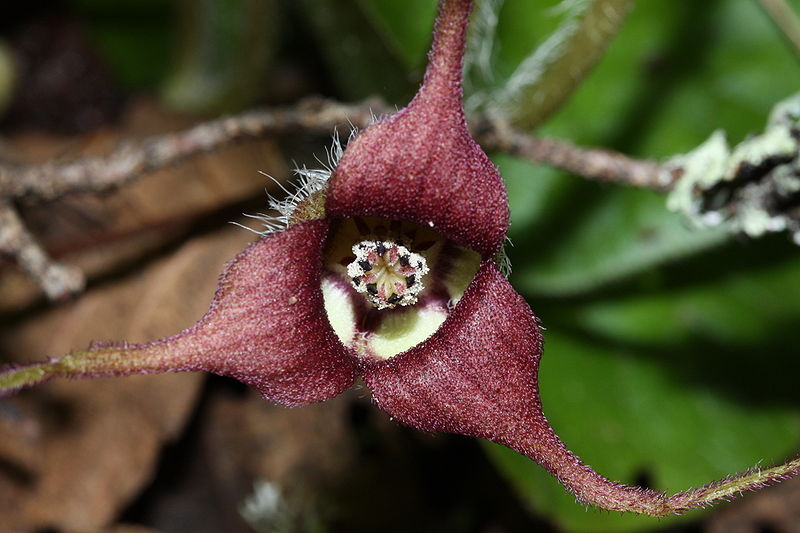
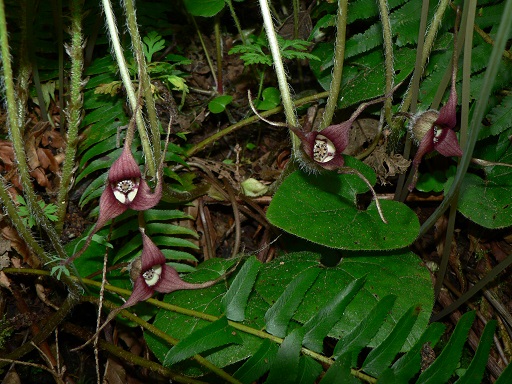
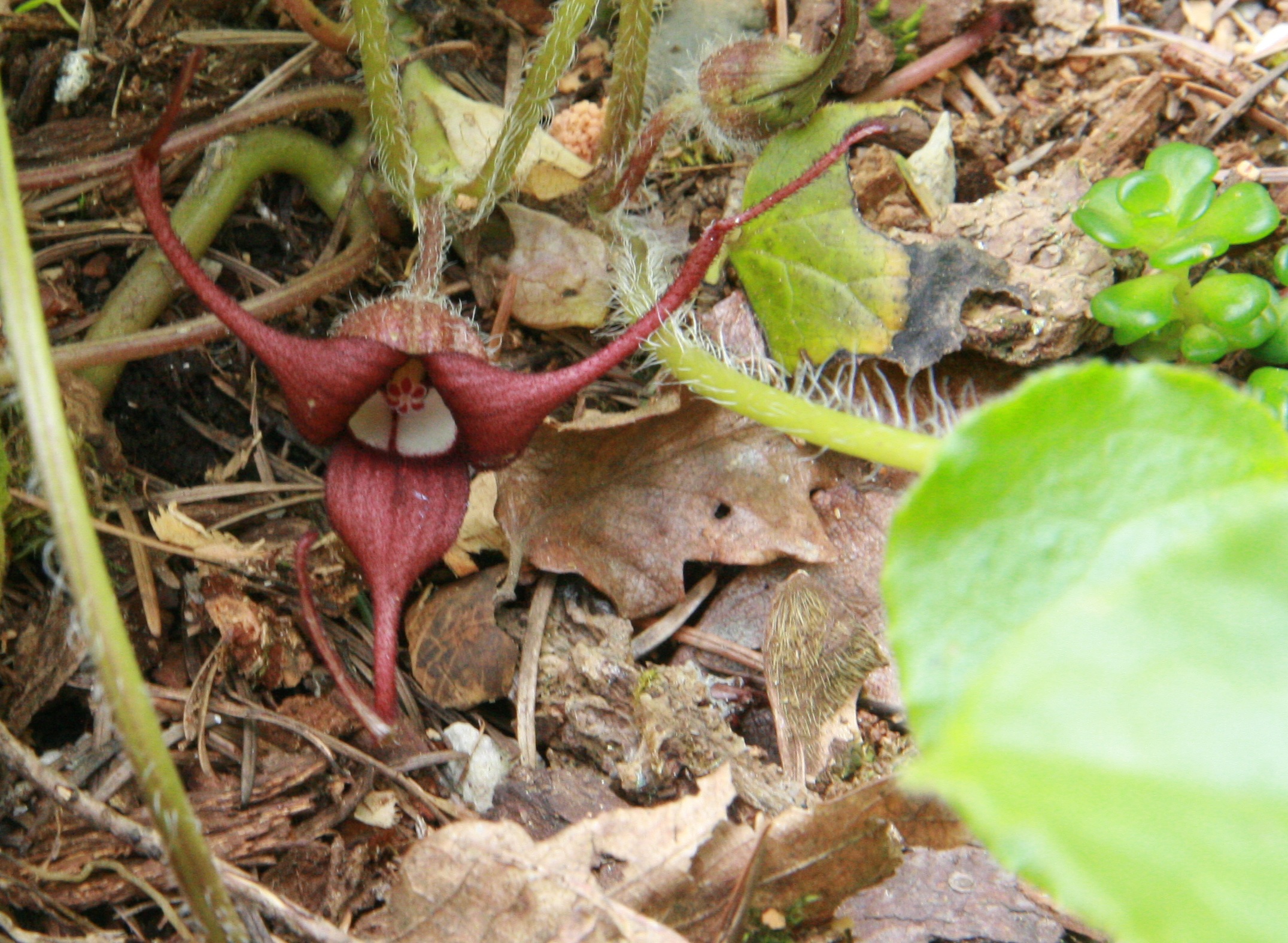
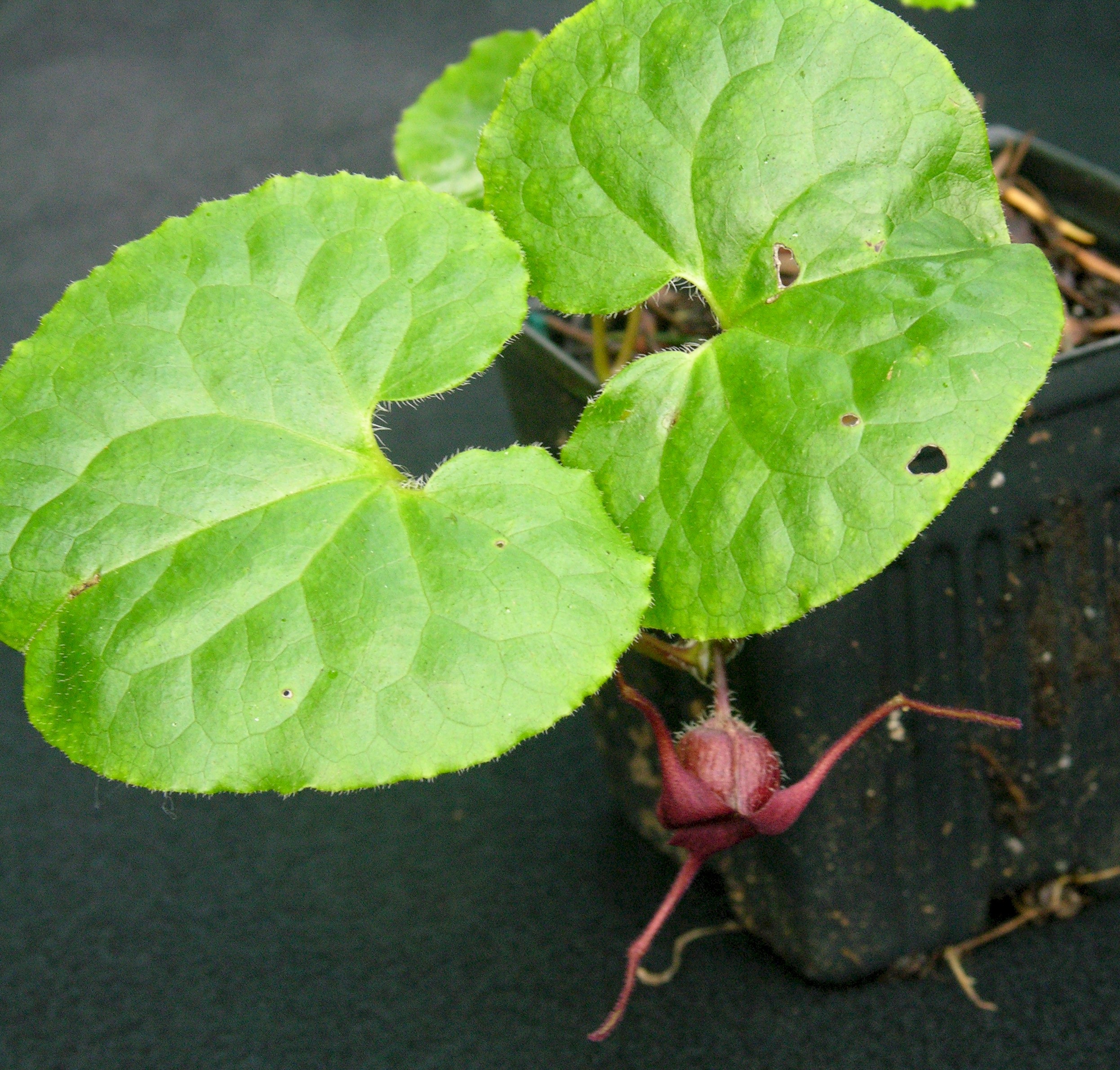
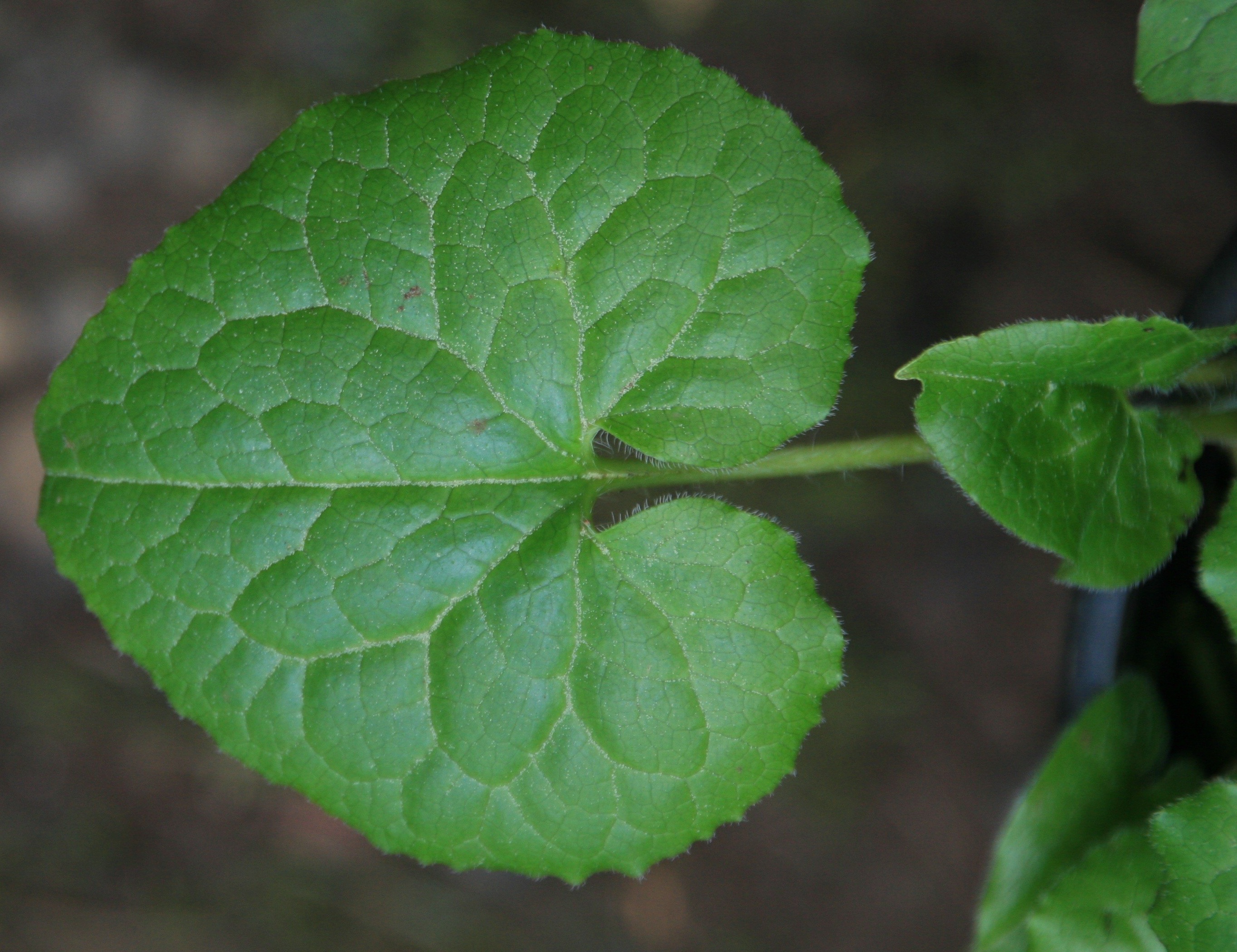
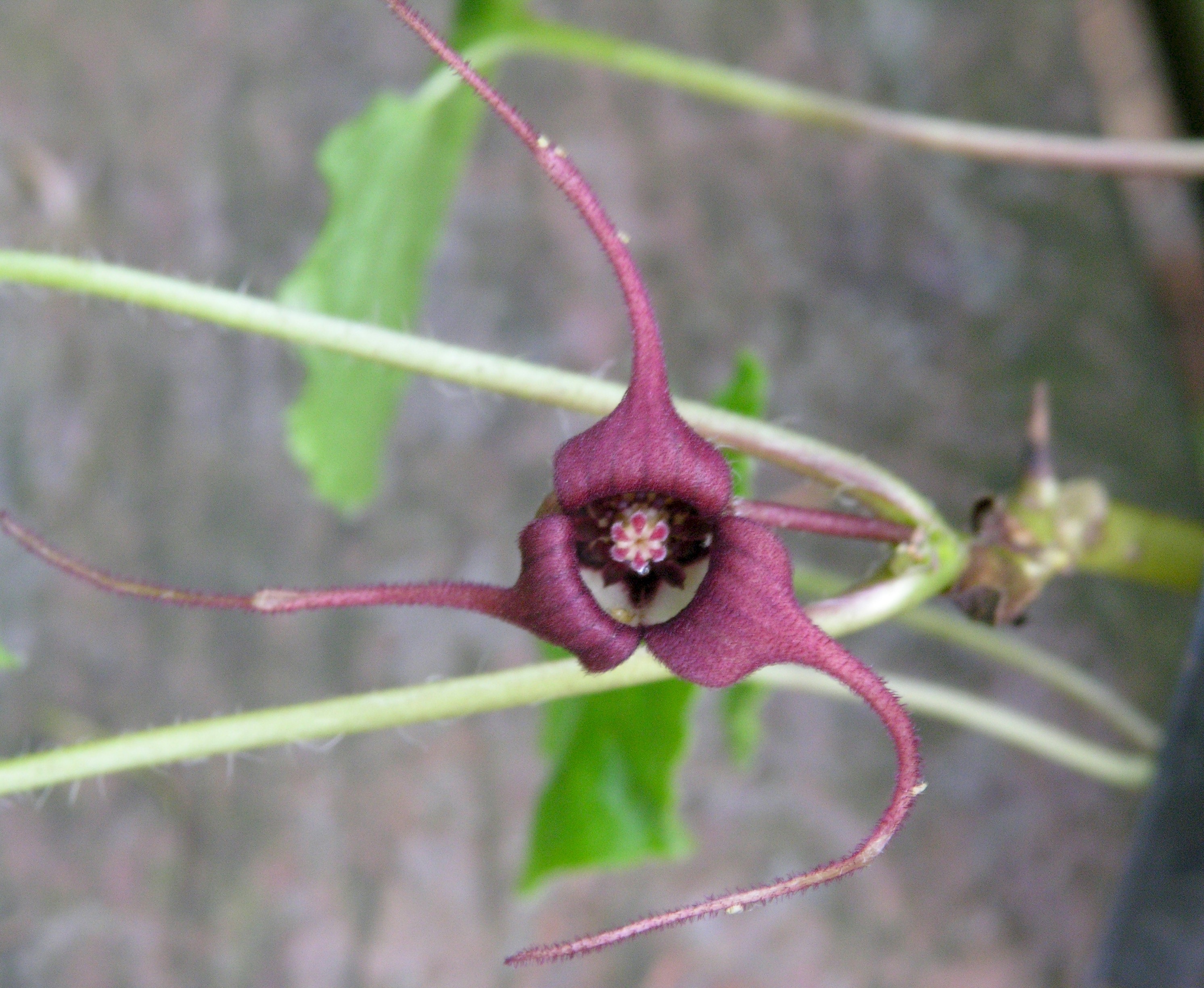
Tucked among the beautiful heart-shaped, fragrant, evergreen leaves are small, brownish purple flowers like tiny bells.

Wild Ginger develops colonies by spreading rhizomes. The hairy stems will also root readily if they stay in contact with the moist ground.

Although not a close relative of the tropical ginger plant, the roots and rubbed foliage of Wild Ginger have a similar fragrance.

Found along the Pacific coast, east into Montana (USDA 8-10), Wild Ginger needs shade and moisture.

The FDA website declared this plant unsafe for internal use. Enjoy the fragrance but we do not recommend using this plant for internal consumption in any way. See http://www.accessdata.fda.gov/cms_ia/importalert_141.html

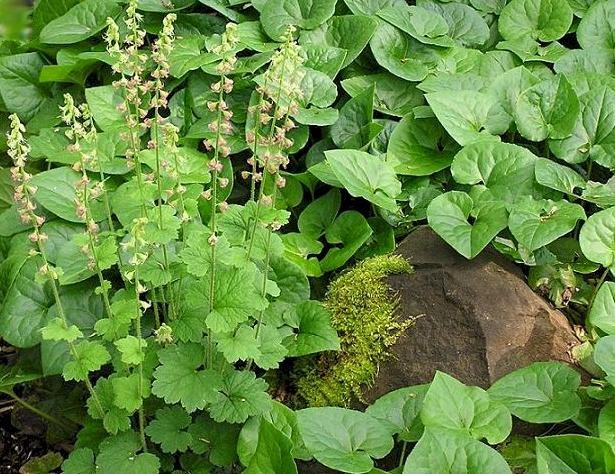
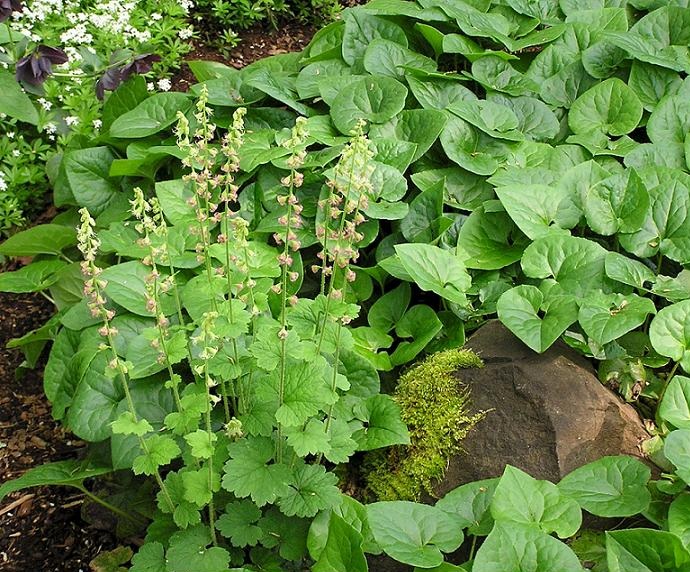
Wild Ginger with Fringecup (Tellima grandiflora). The serrated Fringecup leaves have a rougher texture and are lovely with the  heartshaped ginger leaves

From Homepage October 1, 2005

Wild Ginger (Asarum caudatum) is an excellent ground cover plant. It needs shade and moisture, just the conditions found beneath evergreen trees and shrubs!

These beautifully shaped leaves have a pleasing texture and sweet ginger fragrance. The bloom looks exotic, purple or brown, the three petals are long and wispy and usually appears below the leaves.

Wild Ginger will spread by underground rhizomes and will root wherever the stems are in contact with the ground. Plant at least a few inches apart and you will have a solid cover in a few seasons.

Asarum caudatum was once used fresh or dried by First Nations in cooking and as tea but in recent years the Federal Food and Drug Administration advises discontinuing this use based on quantitative analysis of the plant. See Washington State's Department of Transportation website for more information about this: http://www.wsdot.wa.gov/environment/culres/ethbot/a-c/Asarum.htm

Photos We Share!

It is our pleasure to share the photographs in this section with you under the Creative Commons License (see link below for details). We retain ownership of the photos but you may use them freely as long as you credit our website for them.


Creative Commons License
These photos by http://www.nwplants.com are licensed under a Creative Commons Attribution-ShareAlike 3.0 Unported License.

Contact:  nwplants@gmail.com ~ Copyright 2012 © The Wild Garden: Hansen’s Northwest Native Plant Database  ~ All rights reserved