|
Heracleum lanatum (Cow Parsnip,
Indian Celery, Pushki)
|
Kingdom
|
: |
Plantae – Plants
|
|
Subkingdom
|
: |
Tracheobionta – Vascular plants
|
|
Superdivision
|
: |
Spermatophyta – Seed plants
|
|
Division
|
: |
Magnoliophyta – Flowering plants
|
|
Class
|
: |
Magnoliopsida – Dicotyledons
|
|
Subclass
|
: |
Rosidae
|
|
Order
|
: |
Apiales Family Apiaceae – Carrot family
|
|
Genus
|
: |
Heracleum L. – cowparsnip
|
|
Species
|
: |
Heracleum maximum Bartram – common cowparsnip
|
|
 |
|
Note: Throughout
the years I've written short articles for our website's home pages
(home pages are the front page of a website) about these plants.
They are now included at the bottom of this page, and are
illustrated by botanical drawings and paintings, some of which are
from books published from 1500 - 1900. |
|
|
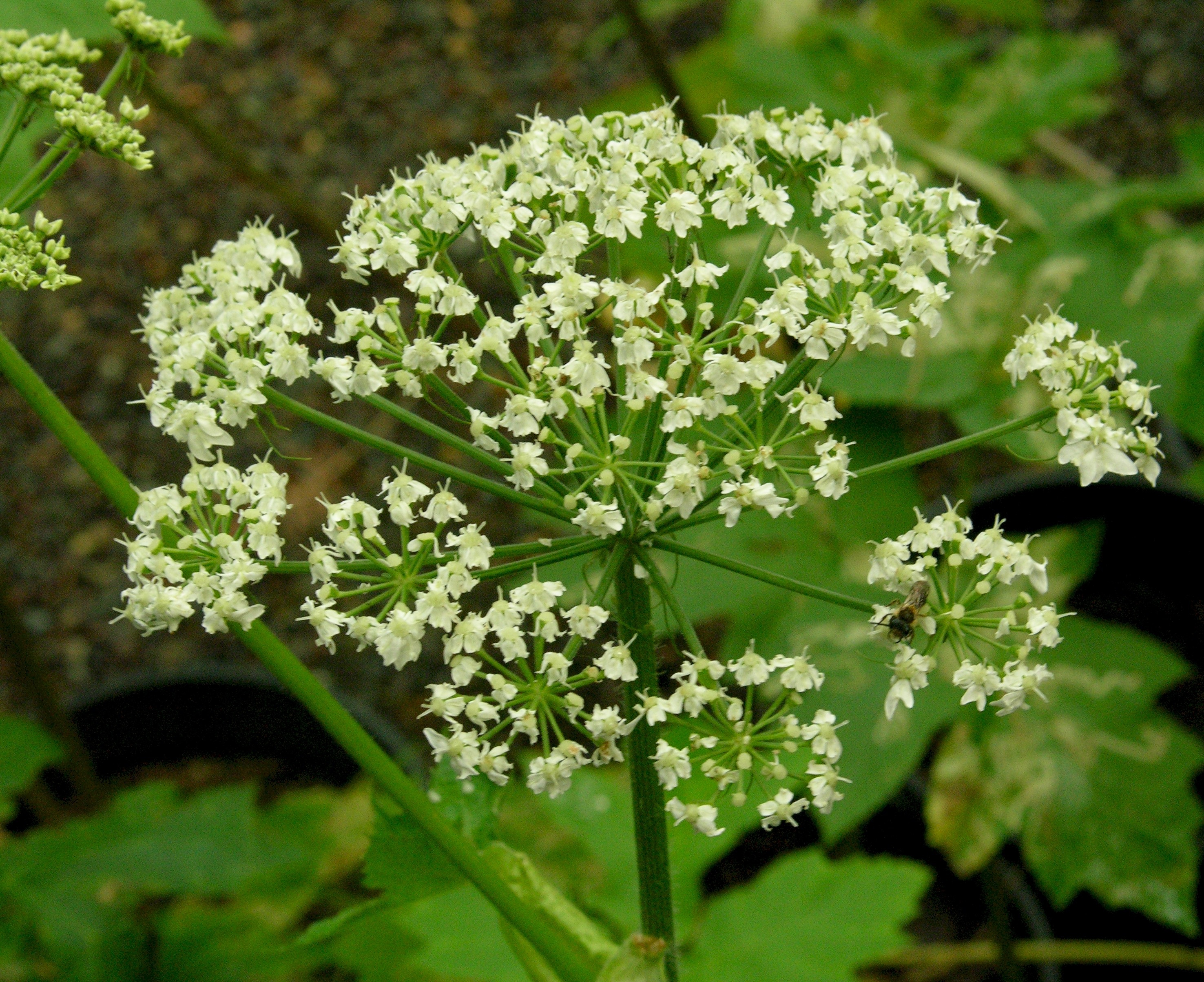
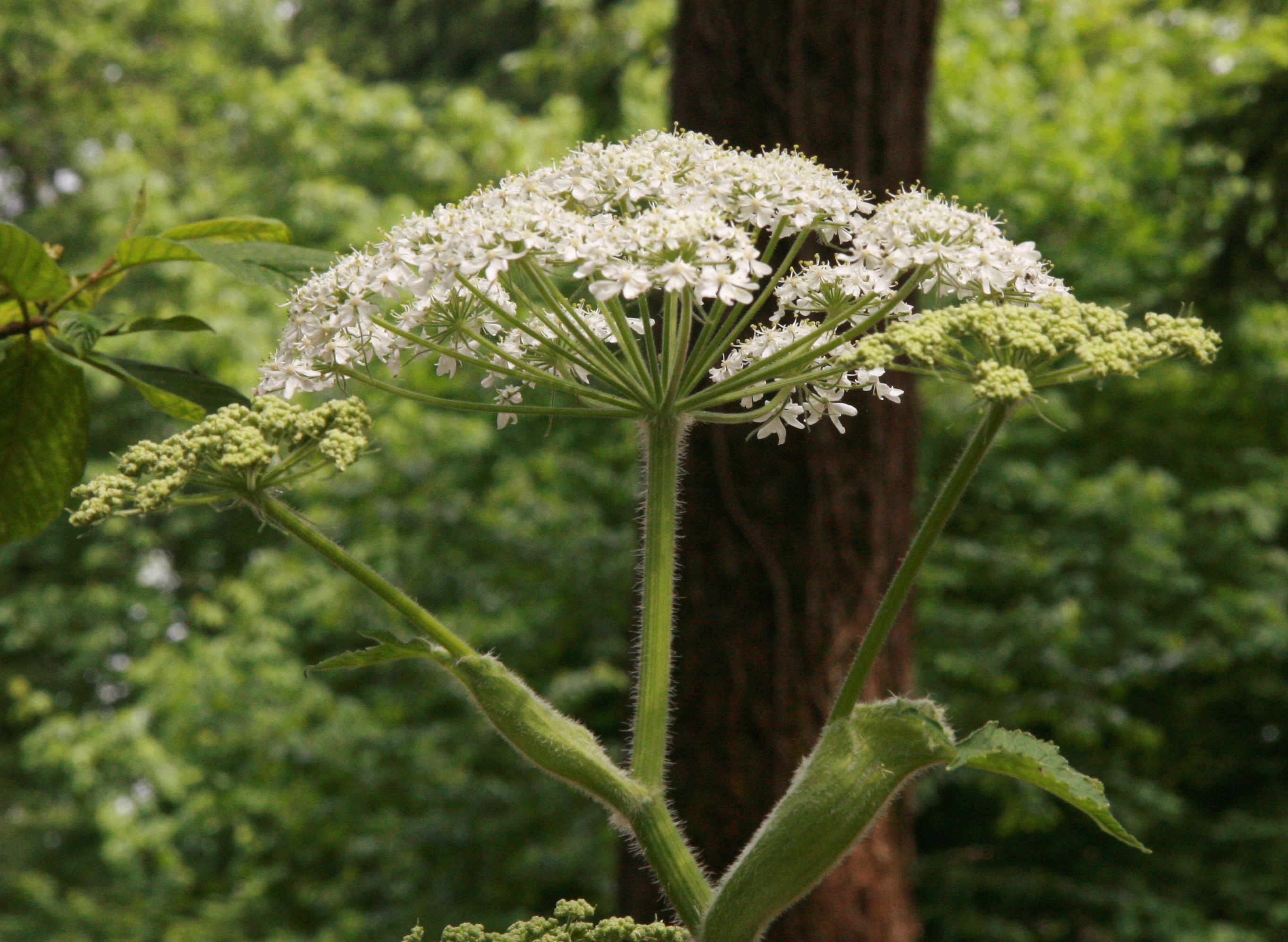
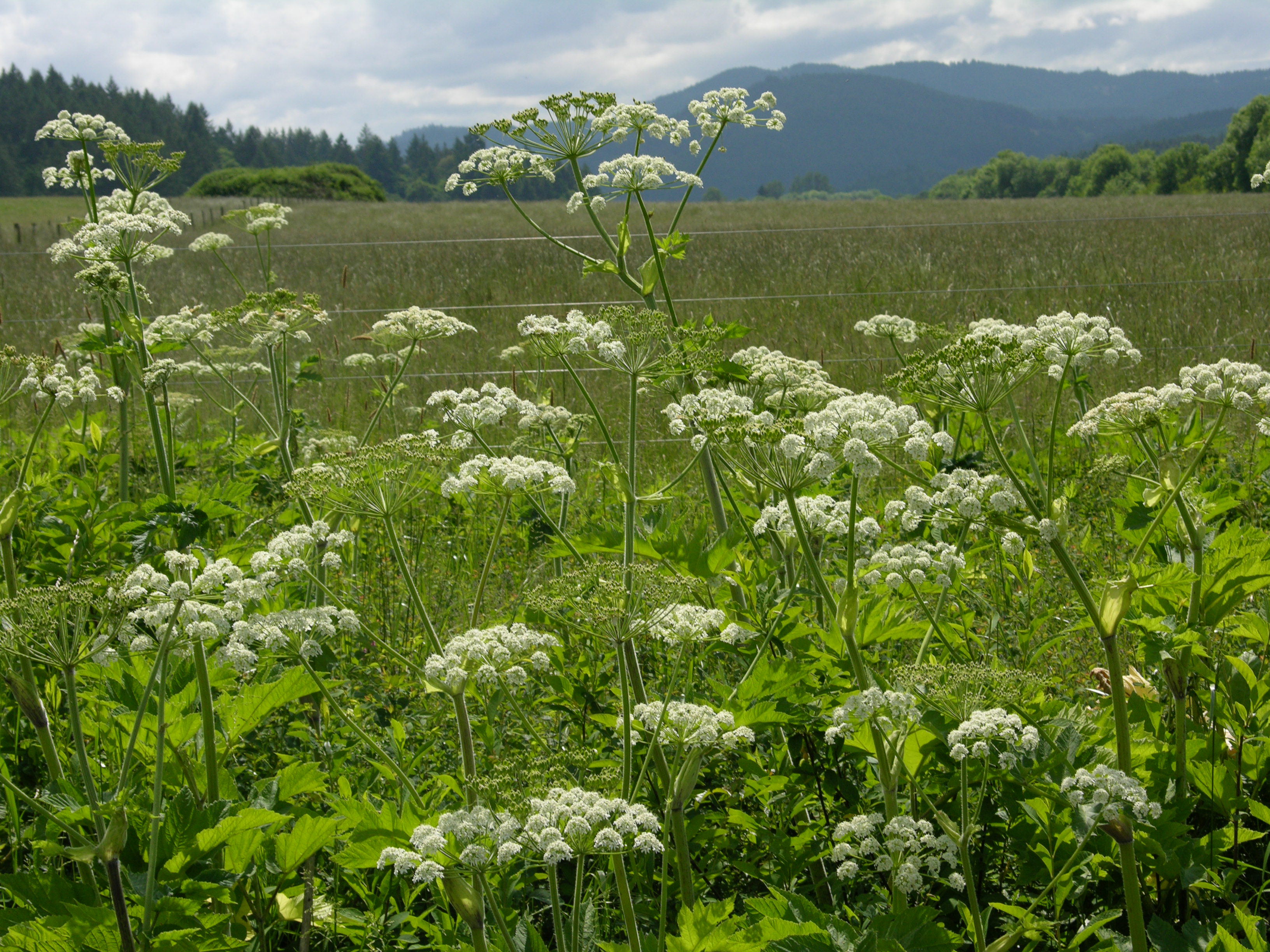
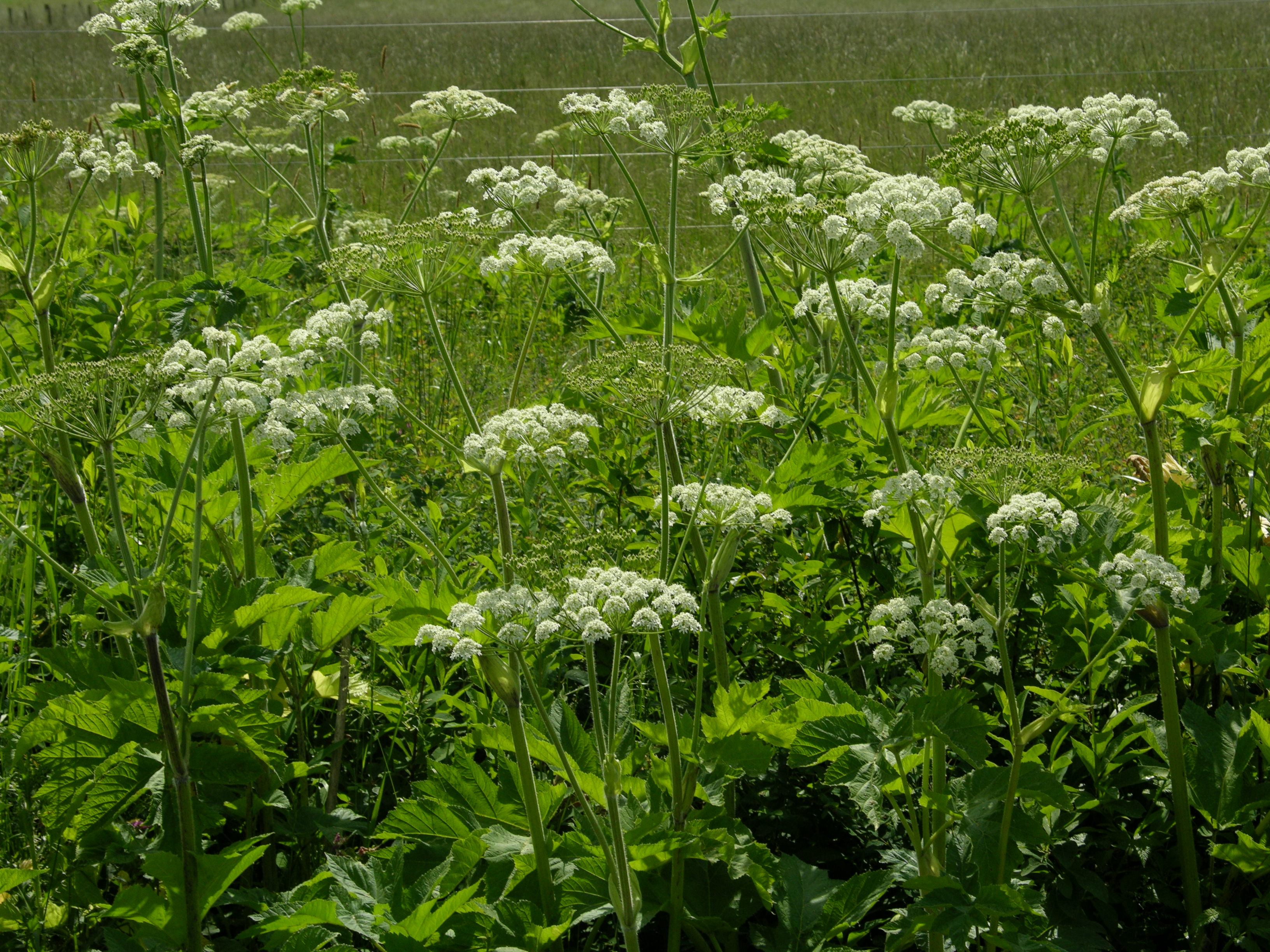
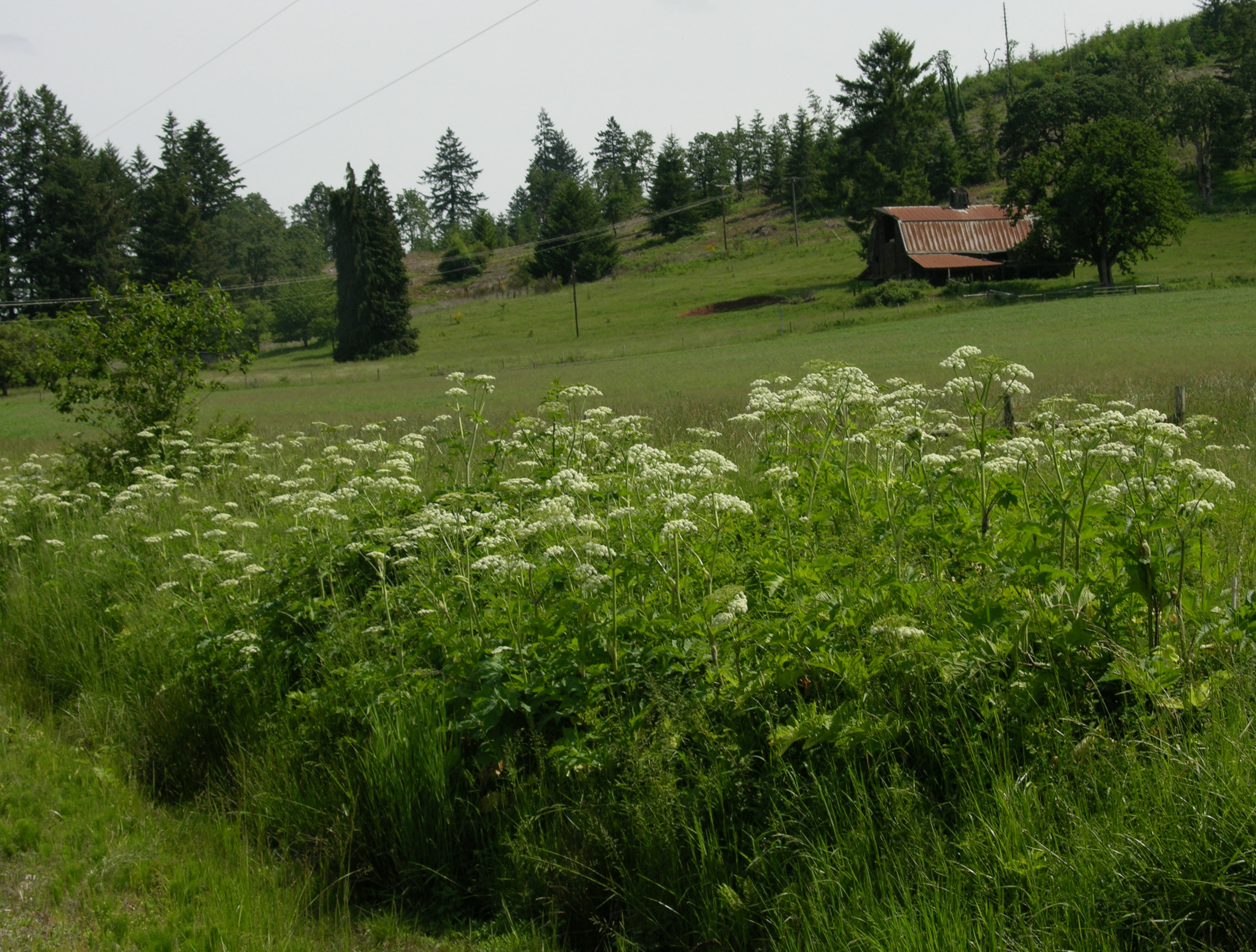
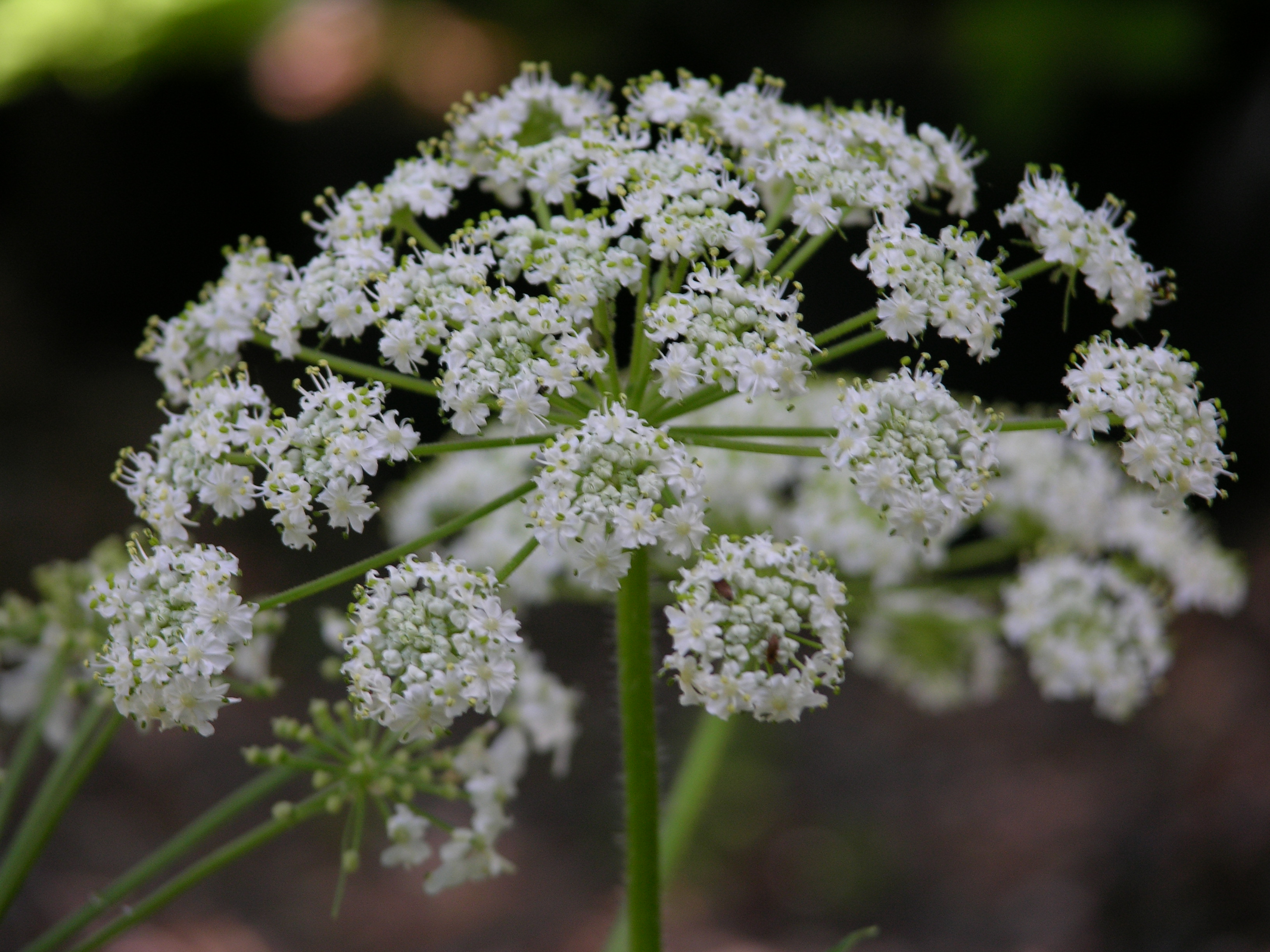
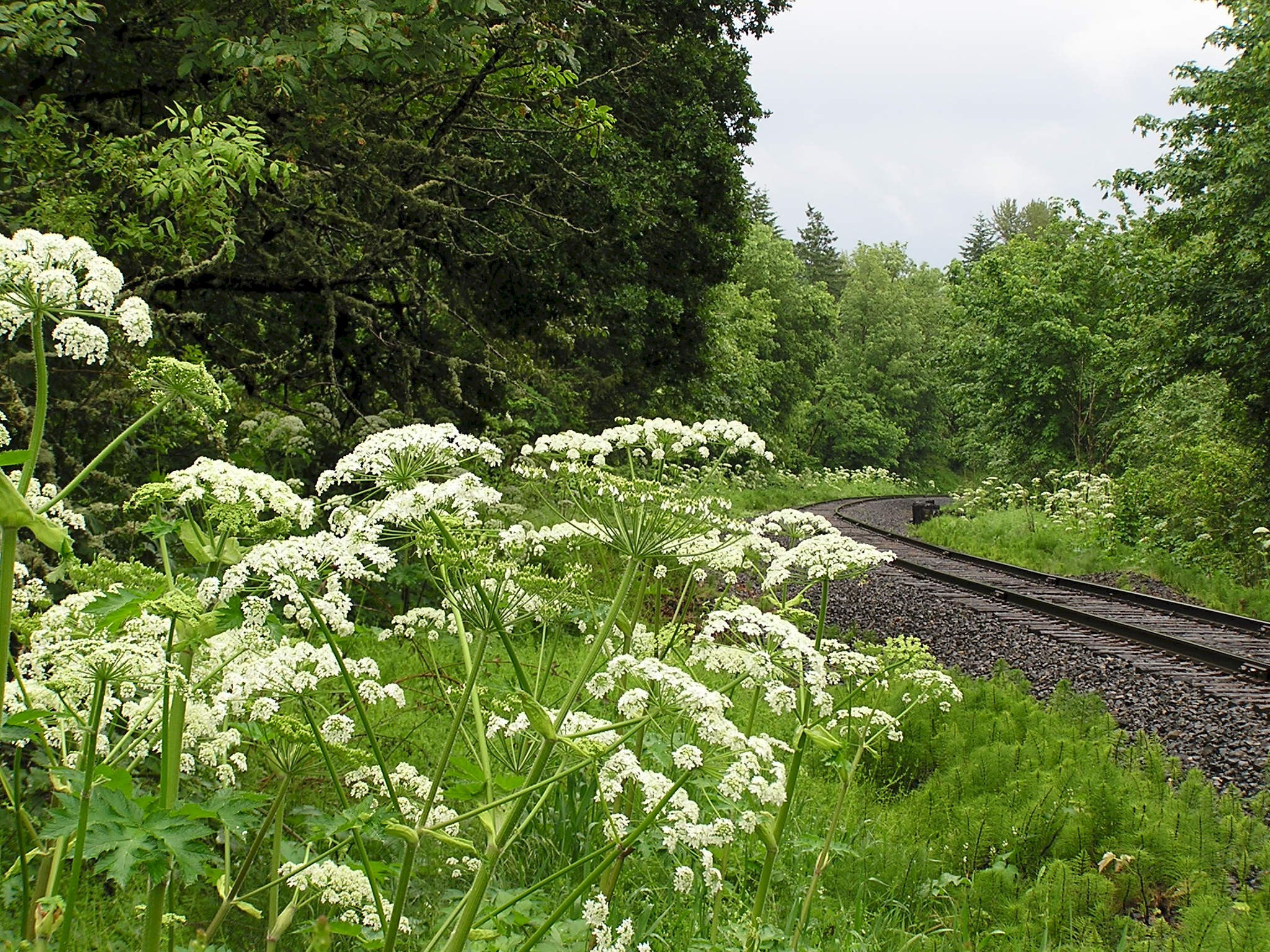
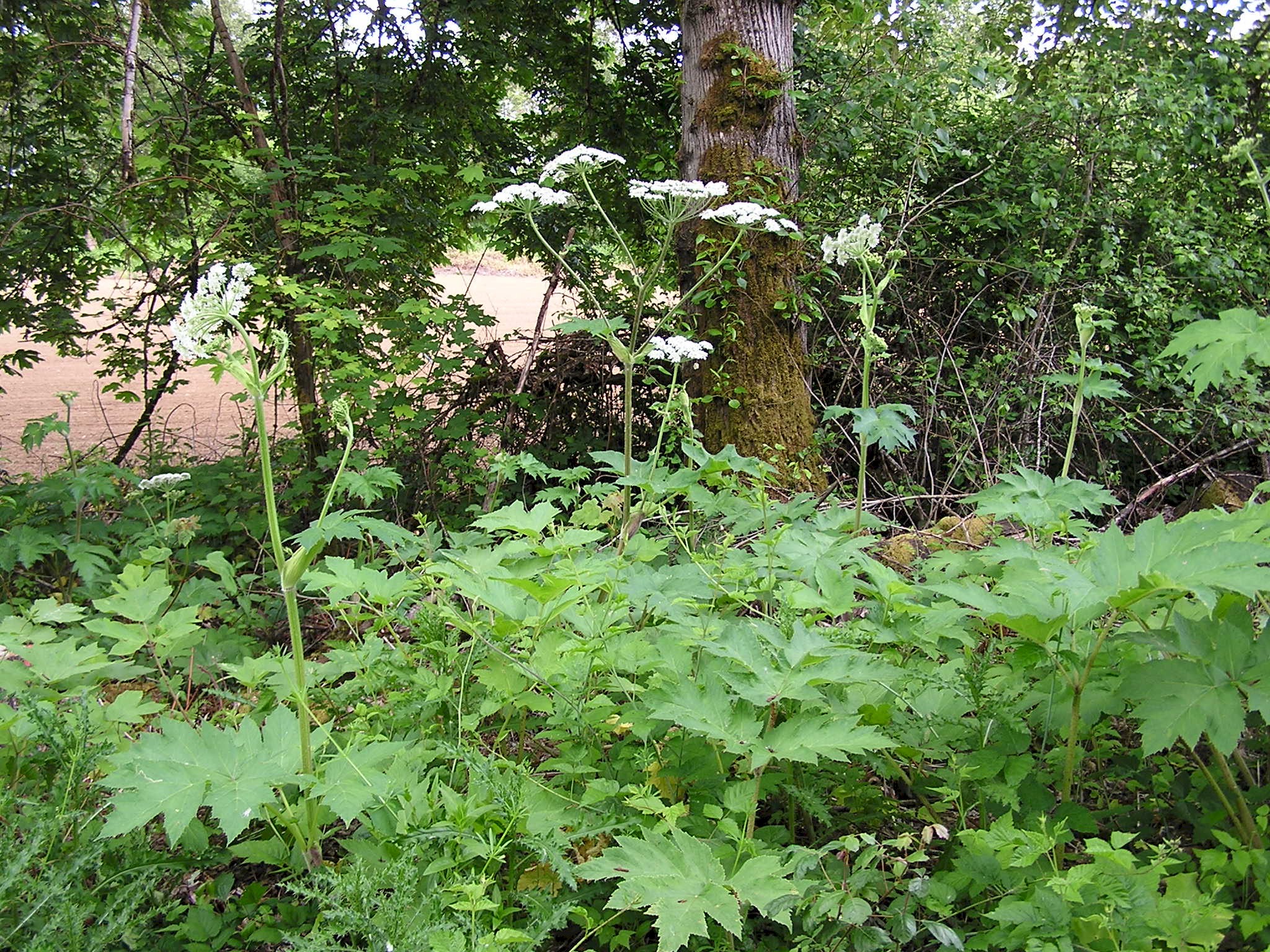
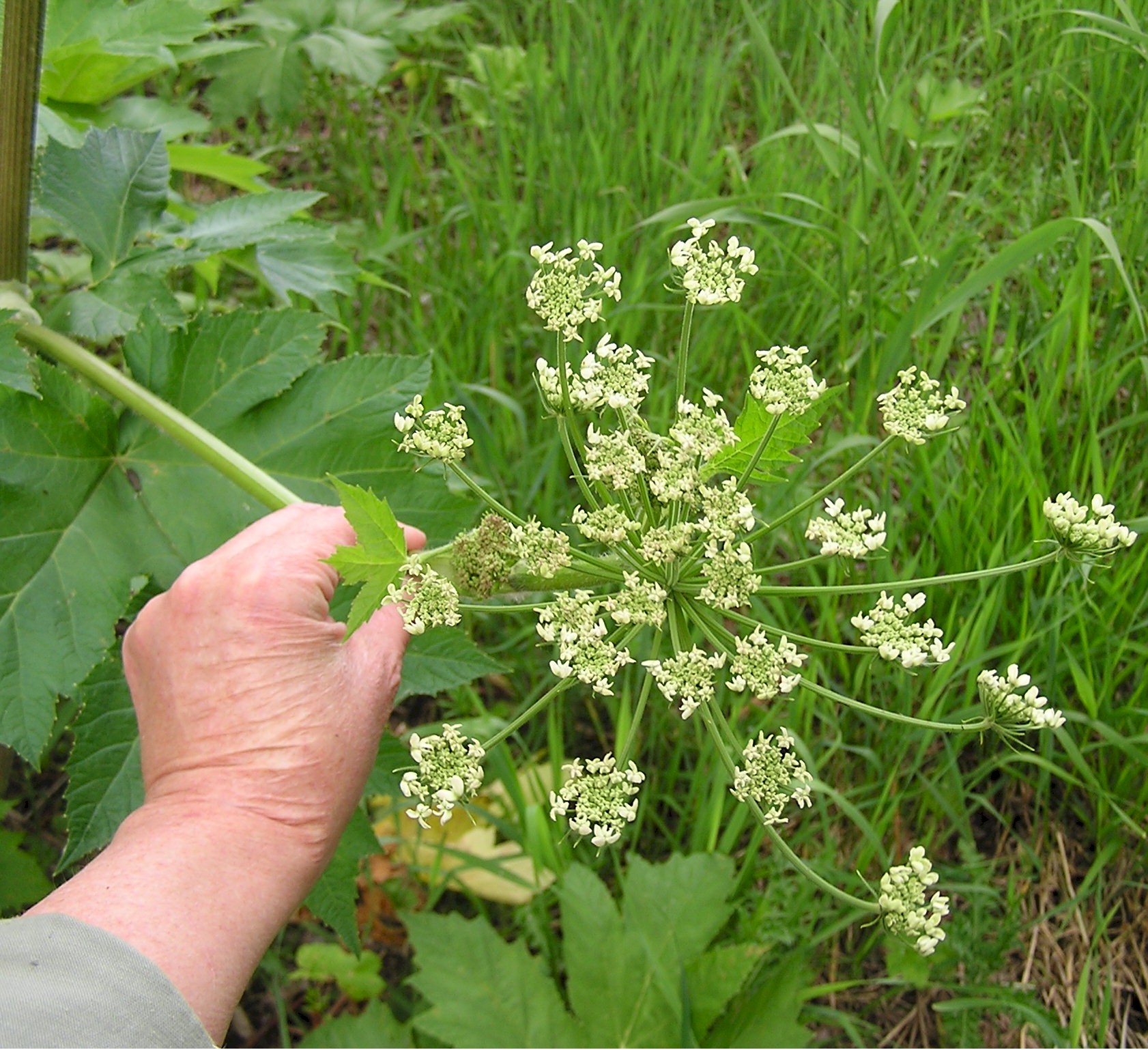
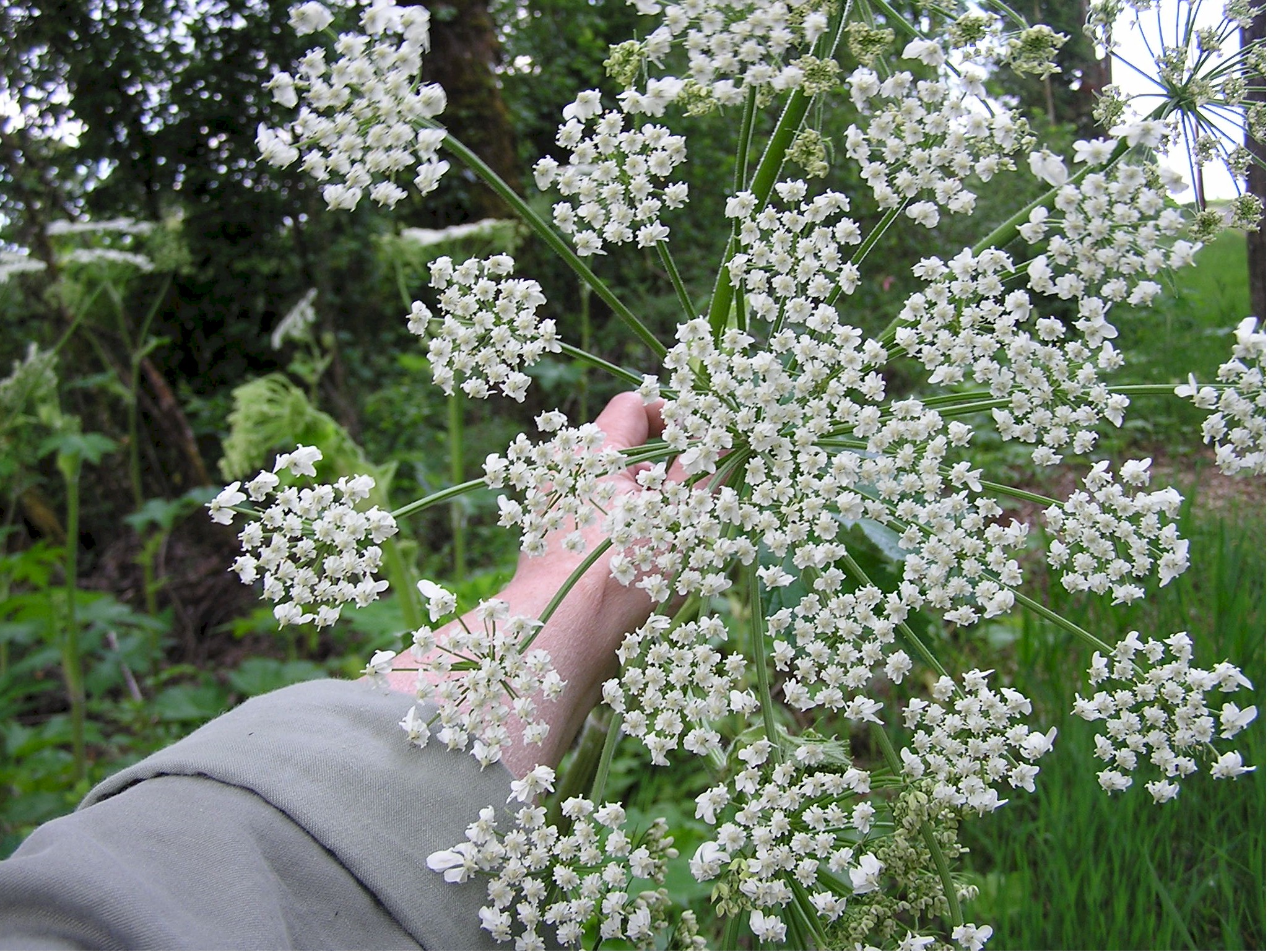
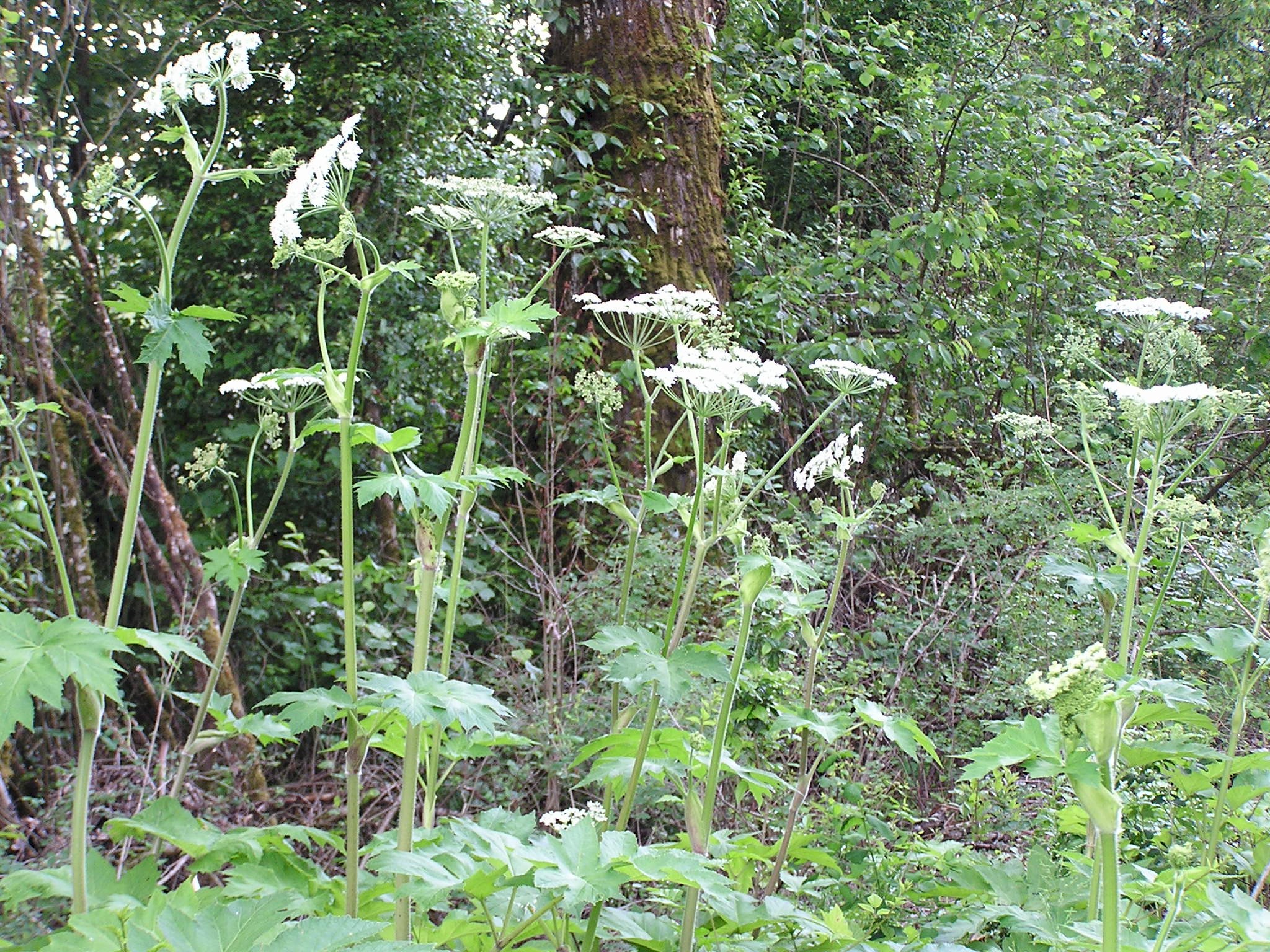
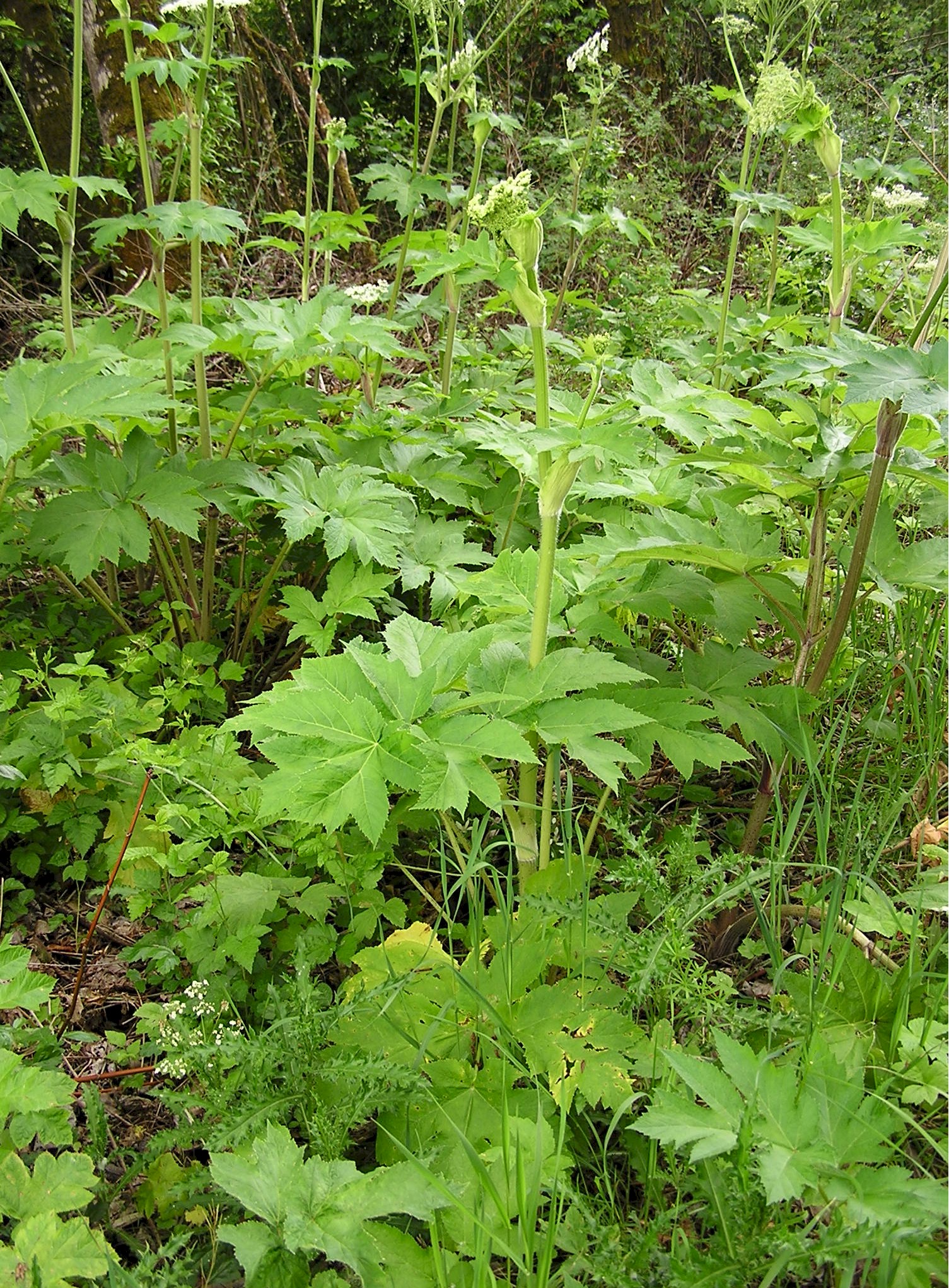
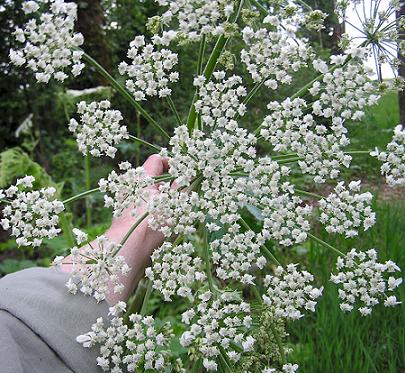
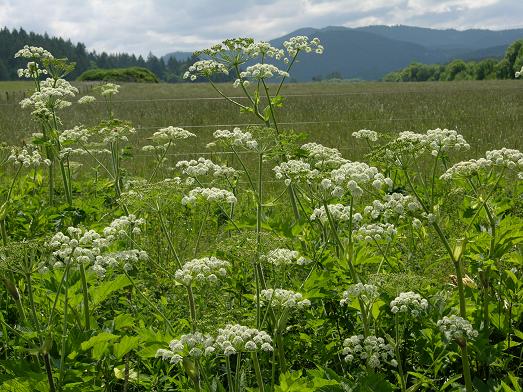
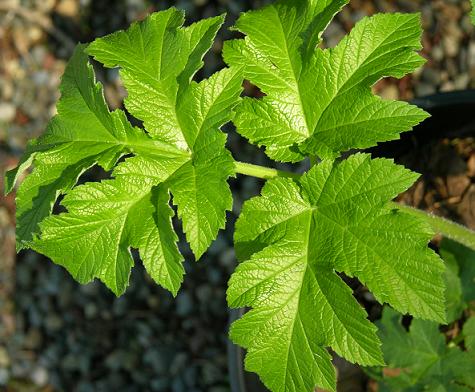
I love this massive native perennial, towering at 8-10.’
I like to cut one of the huge flower heads and stick it in a vase indoors. They give a
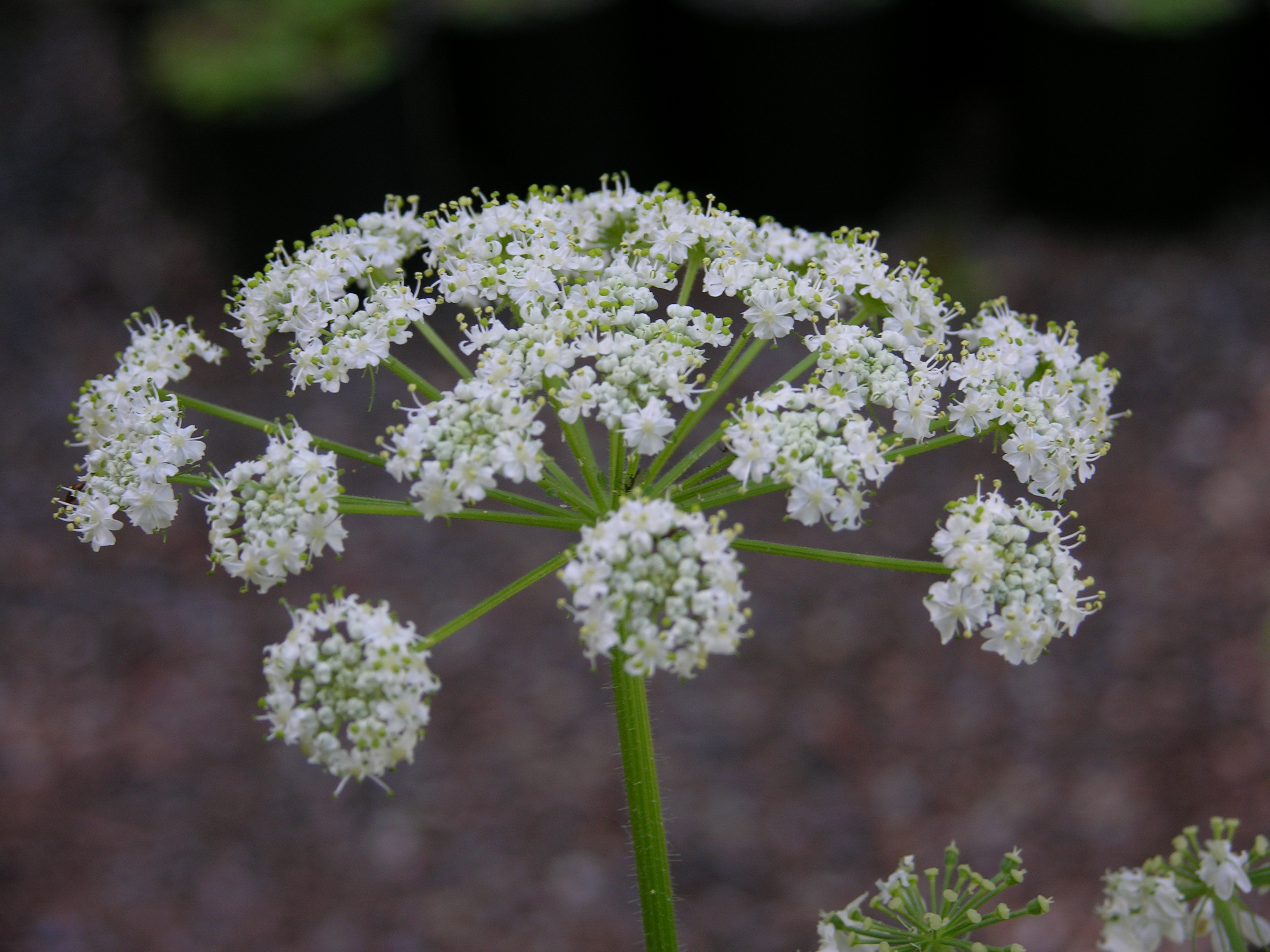
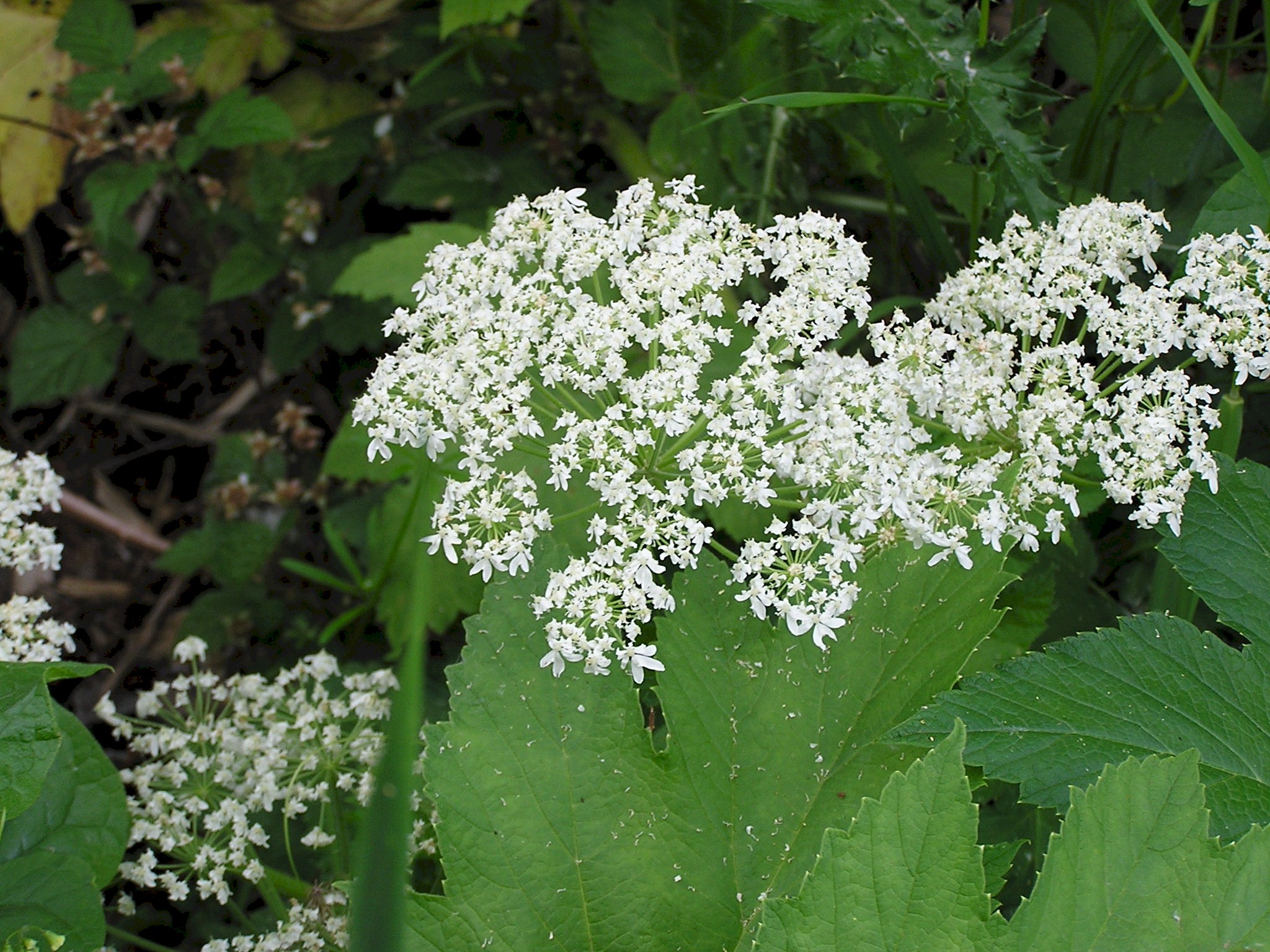
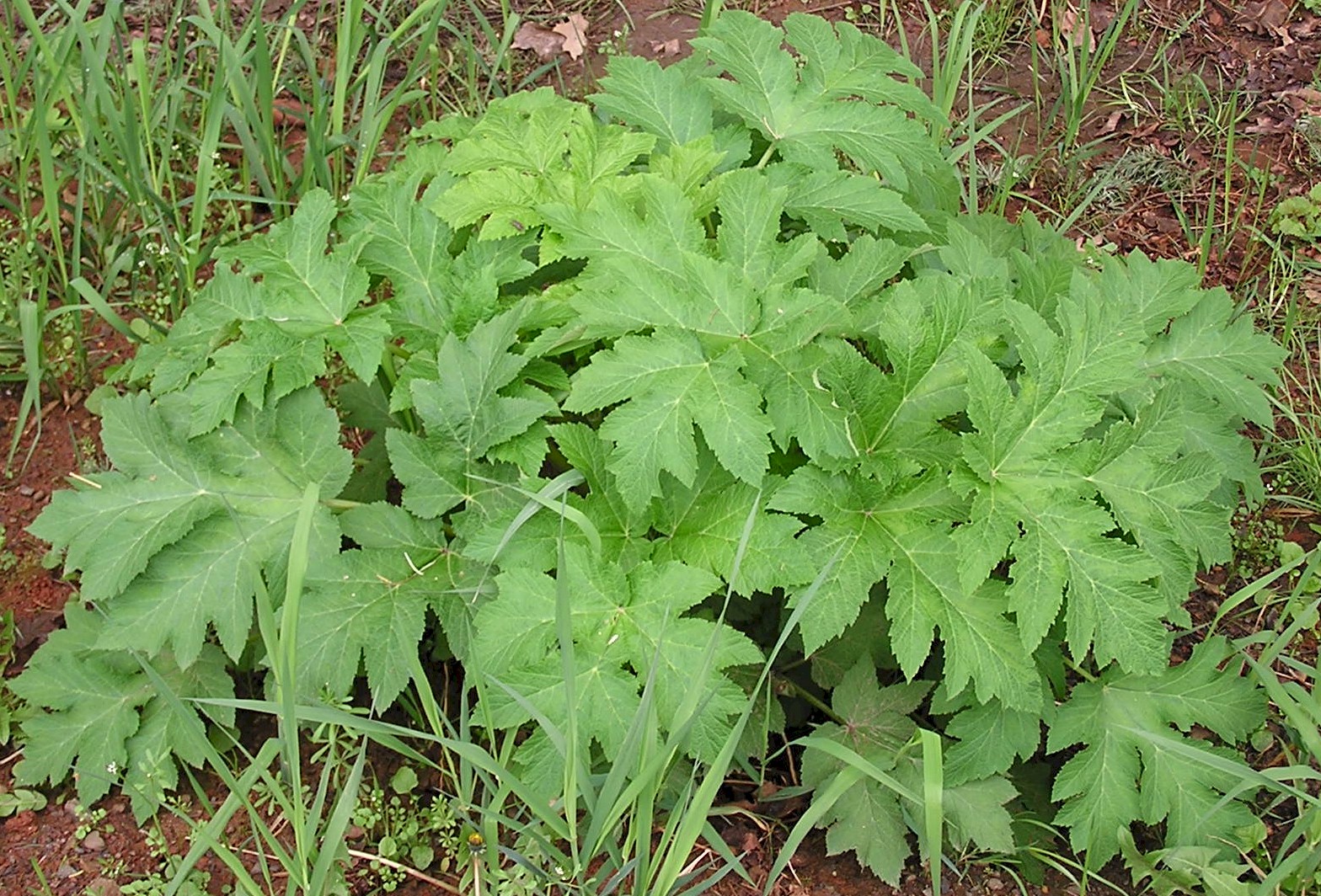
softly vanilla scent to the air. The central stem forms an umbrella of smaller stems adorned with huge, coarsely
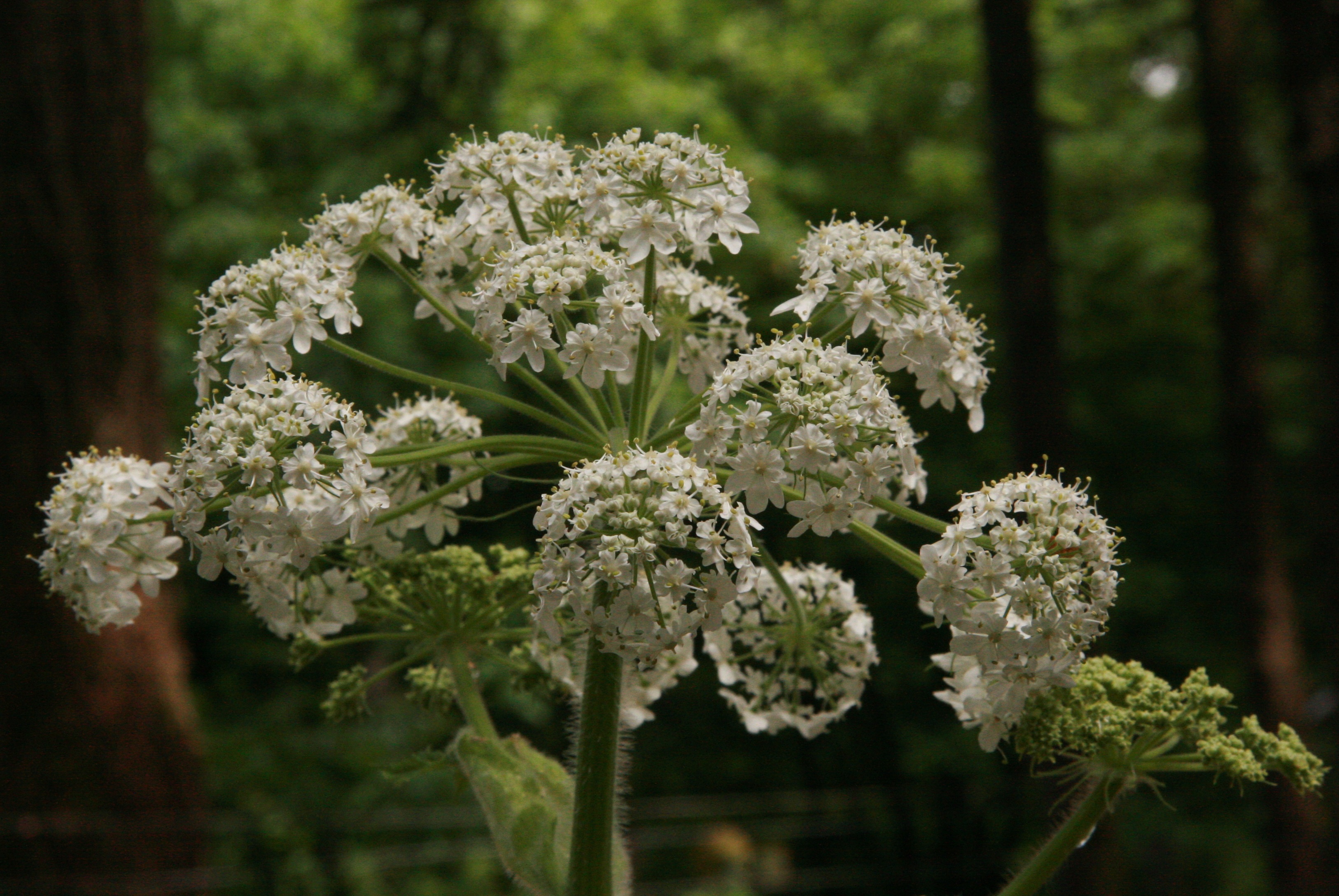
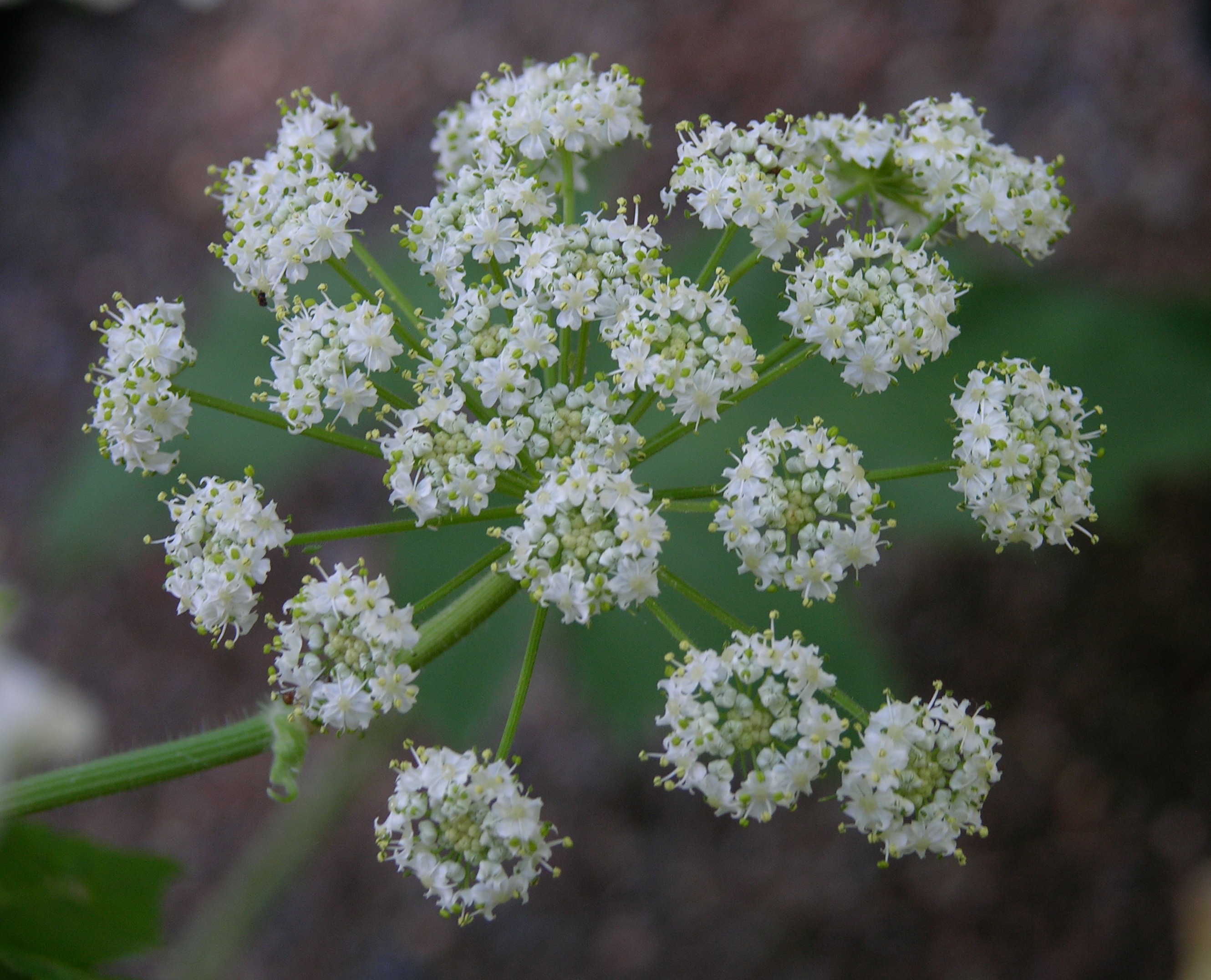
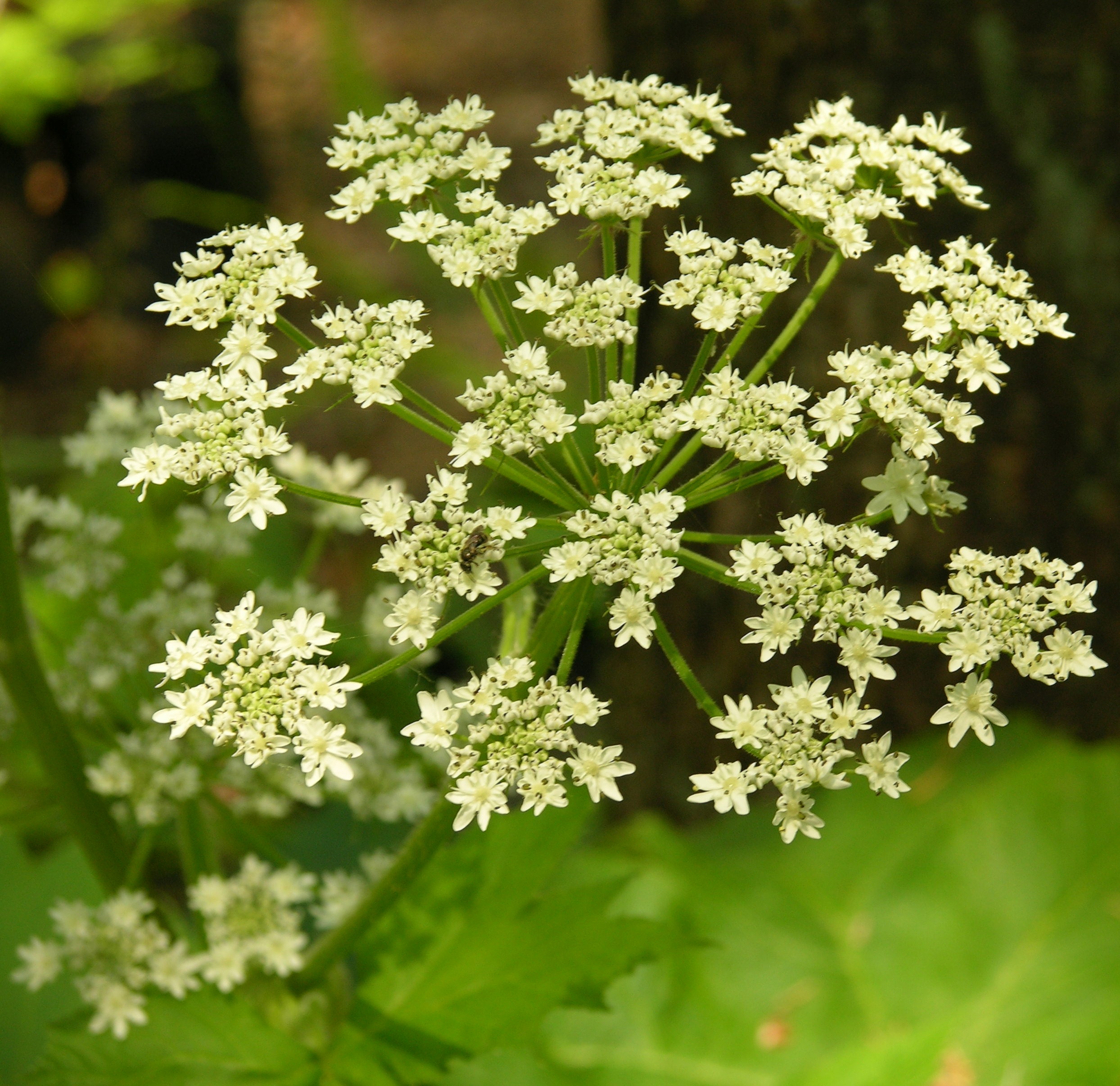
toothed leaves. The flower head is similarly an
umbrella of tiny, white flowers. Butterflies love
the flowers, as do beneficial insects like ladybugs.
Native along the Pacific and Atlantic coasts (USDA 3-9),
Cow Parsnip likes a rich, moist soil and plenty of room to grow.
Although plants may last only a few years, they will reseed themselves
generously before they pass.
This Heracleum is a fine choice for the back of a perennial
bed, behind small shrubs or filling a corner of the garden.
Sometimes referred to as “Indian Celery” or “Indian Rhubarb,” Cow Parsnip was
widely used by Natives as a vegetable. They ate the peeled stalks raw.
|
 |
|
There is some interest in using various parts of Cow
Parsnip for food. For instance,
http://wildfoodgirl.com/2011/cow-parsnip-for-breakfast-dinner-dessert/ says,
"My definition of a good day: Cow Parsnip for breakfast, dinner and dessert. She
offers recipes and tips along that line.
Another source for recipes using this and other native
plants is The Wild Vegetarian Cookbook by "Wildman" Steve Brill. Recipes
in his book include Cow Parsnip Pilaf, Cow Parsnip Cheese Buns, Cream of Sorrel
Soup and Greek Cattail Salad. The
Lady Bird Johnson Wildflower Center of the University of Texas at Austin notes:
"Early in each year, Native Americans peeled and ate the young sweet, aromatic
leaf and flower stalks." As with
anything gathered in the wild, it is critical to make a correct identification
prior to interacting with flora or fauna. There
are some other plants that may be mistaken for Cow Parsnip. See more info here:
..\..\information\white_flowers\white_comparison.html
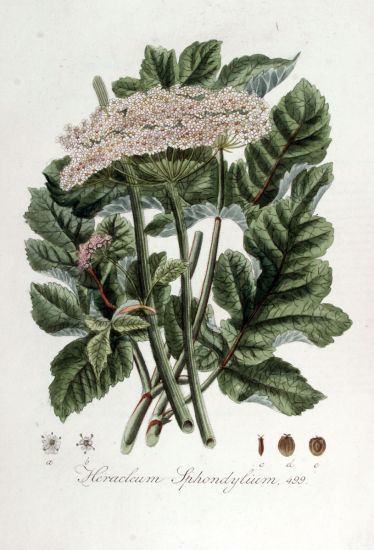
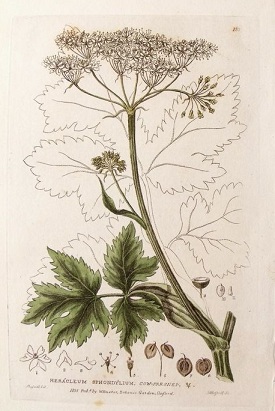
Botanical drawing above right originally appeared
in Flora Batava, Volume 7 (1830) by Jan Kops, Heran Christiaan van Hall.
Permission has been granted for use by Kurt Stueber under GFDL |
SEE NOTE BELOW--Be very careful when
this plant touches your skin. I have not had a problem with it but many others
have.
|
 |
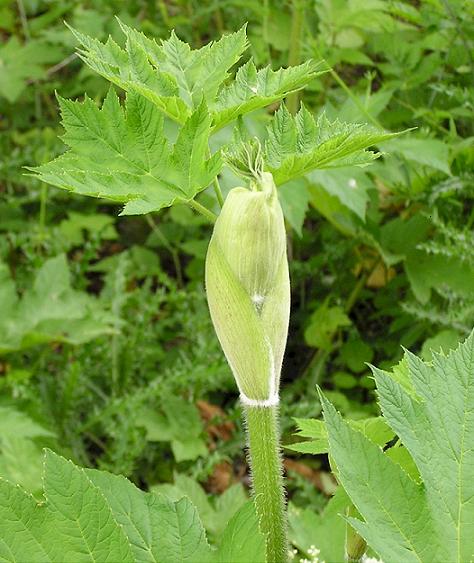
CAUTION: The 'juice' from Cow Parsnip leaves and
stems may sensitize the skin so that it is very easily sunburned. Washing off
the juice and wearing long sleeves for a few days apparently is the ticket
after exposure.The umbilliferae of Cow Parsnip
(Heracleum lanatum) contain furano-coumarins which, when exposed to sunlight,
cause significant photo-toxic reactions (photosensitivity). One of the more
common skin reactions to Cow Parsnip, is the ‘weed eaters’ or ‘strimmers’
dermatitis. When string trimmers are used to clear long grass, components of
weeds are usually mulched and scattered in all directions, often coating the
legs and arms of the operator. The sap of the plants then gets on the skin,
and, when exposed to sunlight, gives rise to a very characteristic rash which
may be severe and persist for many months.
For more information, please see the Telemedicine
website at www.telemedicine.org/botanica/bot5.htm
|
 |
From Homepage December
17, 2010
Cow Parsnip (Heracleum
lanatum) is a tall perennial native to the Pacific northwest. It has big
clusters of white flowers that bring a light vanilla scent to the back
of a perennial border, along a fence row or mingled here and there among
sun loving shrubs.
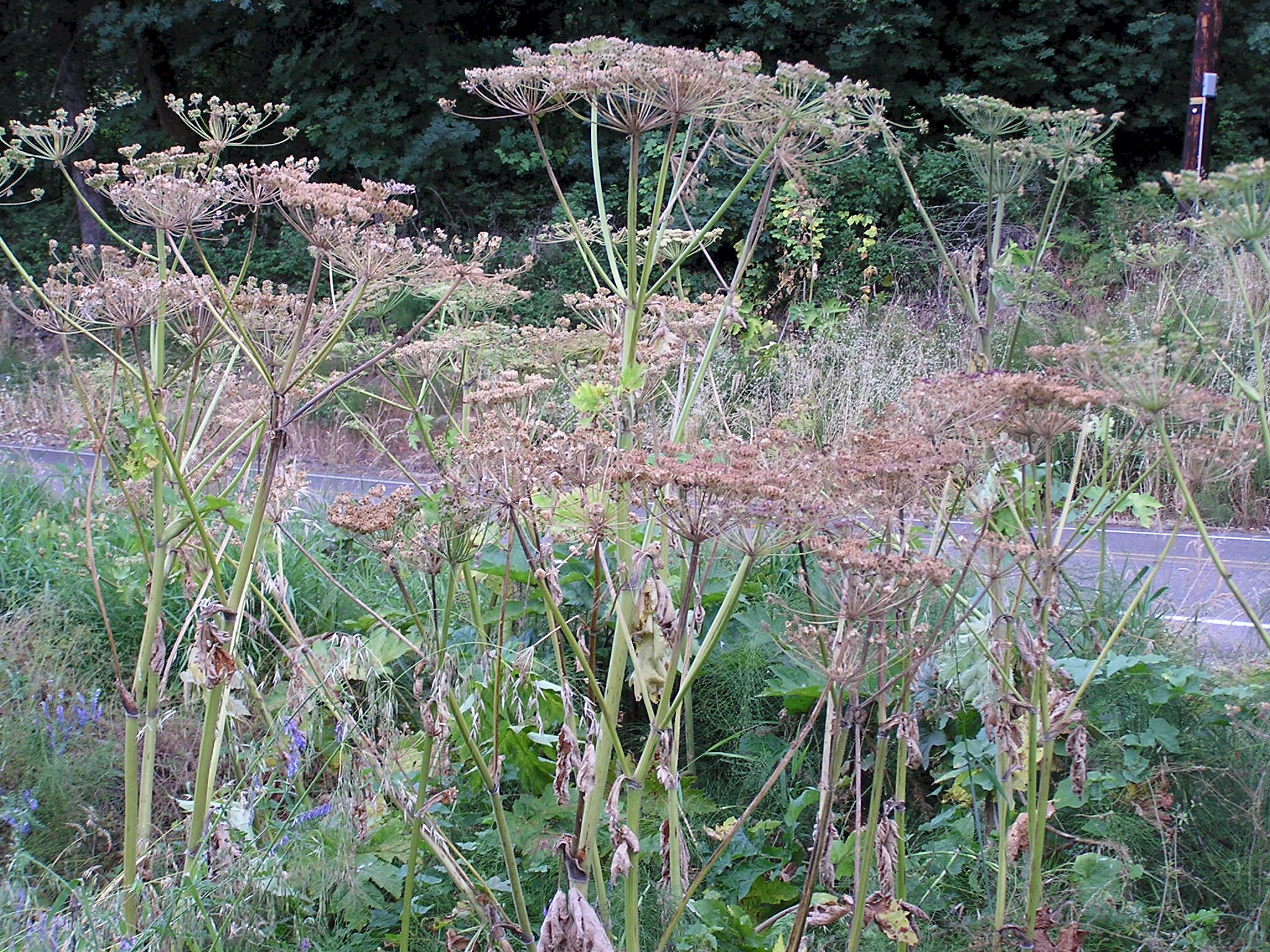
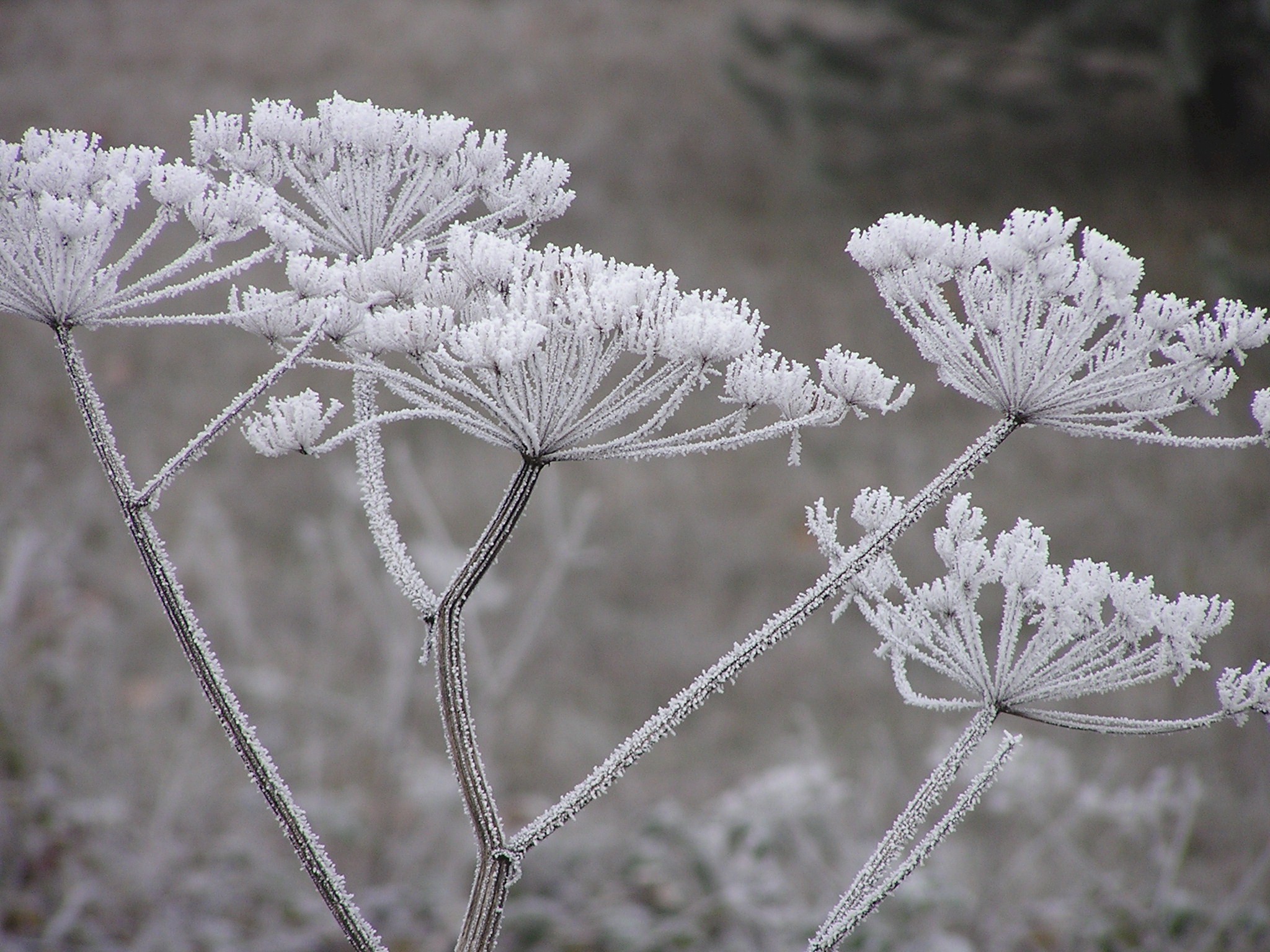
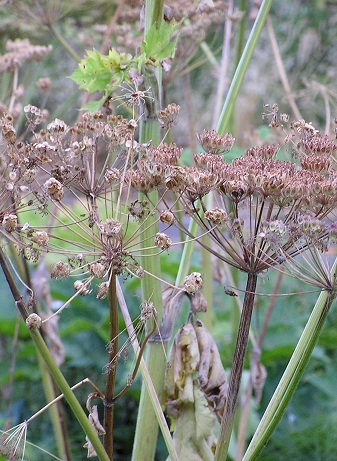
When the bloom has gone by,
the flower structure remains with large seeds at the tips of each stem,
the whole plant turning brown as nature prepares the seeds for
reproducing.
It was at this stage
sometime in mid-November that I noticed the similarity between these
seed heads and snowflakes. I envisioned the dried flower clusters made
into a wreath of sparkling snow crystals. Given my life-long love affair
with snow, it was a natural progression.
Unfortunately there was a
county crew using a giant clipper machine to mow down the roadside
plants. Racing ahead of the workers, I gathered a great pile of these
dried beauties, filling up the back seat of my vehicle. |
|
It was an ill-conceived way
to harvest the materials because they knitted themselves into a mass of
stickery villains. Well, nothing ventured... I simply clipped off the
well shaped pieces and piled the rest on the compost heap. Later I
realized there were a whole lot of seeds in that discarded heap so I
gleaned them, put some into little paper envelopes made from magazine
pages and gave to friends for stocking stuffers.
Utilizing styrofoam packing
sheets stuck to cardboard bases, I affixed the flower skeletons randomly
and painted the whole shebang white, finally finishing with a generous
dusting of eco-friendly glitter and a white satin bow for hanging. I had
a few leftover flower skeletons--just enough to fashion into a snowball
by gluing their stems together. This piece I adorned with chandelier
crystal drops hung from satin cords. It was spectacular!
|
 |
I wish I had taken photos
of the wreaths and snowball but, alas, I did not. If I ever make more
I'll not overlook that detail.
Cow Parsnip has sharp
little thorns along the stems. When dried, these assume a much more
daunting aspect and gloves were immediately de rigor for working with
them.
A word about this native
perennial: The 'juice' from Cow Parsnip leaves and stems may sensitize
the skin so that it is very easily sunburned. Washing off the juice and
wearing long sleeves for a few days apparently is the ticket after
exposure. See our Cow Parsnip page for more information about this issue
and about the plant in general.
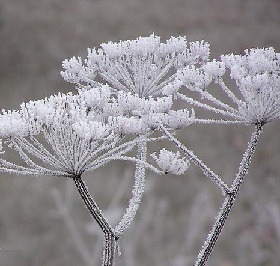
It's plain to see Jack
Frost has visited this Cow Parsnip (Heracleum lanatum) |
|
|